
Late-night episodes of severe headache, pounding heartbeat, and sweating are genuinely alarming conditions. Many families put these down to anxiety or poor sleep. They wait until morning to decide whether to seek help. That decision, perhaps made with good intentions, can quietly allow a correctable crisis to become far more serious.
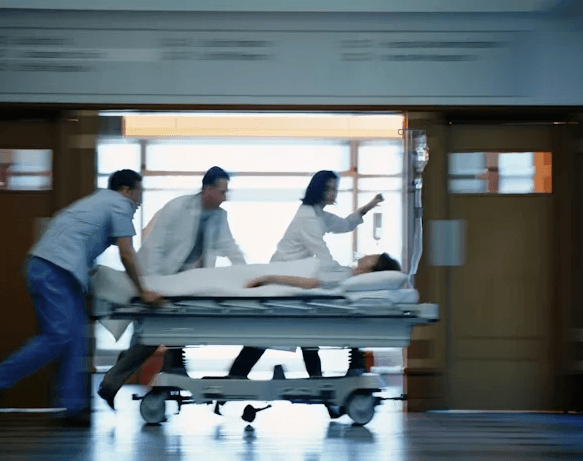
When symptoms like palpitations, uncontrolled blood pressure, agitation, and severe headache occur together in the middle of the night, they deserve clinical evaluation rather than home management. Access to 24×7 emergency services Ranchi means that trained medical staff can assess, monitor, and begin treatment at the time it actually matters, not the following morning when the body may have already crossed a threshold that is much harder to reverse.
When the Body Stops Giving Subtle Warnings
Symptoms That Surface After Midnight: What you might brush off as a severe tension headache combined with blood pressure readings above 180 systolic may actually be the body signalling an extreme vascular event. Sweating, nausea, and deep unease alongside these readings suggest the circulatory system is under pressure that rest or painkillers cannot safely manage. These combinations require urgent clinical review.
Why Night Hours Increase Risk: Blood pressure in most people dips naturally during sleep. In those with underlying cardiac or vascular conditions, this pattern may reverse, producing dangerous nocturnal spikes. When pressure remains critically elevated for an extended period, it constitutes a hypertensive crisis, a medical state that carries real risks of organ damage, stroke, and heart failure if left without proper clinical intervention.
Warning Signs That Demand Emergency Review:
- Persistent severe headache at the back of the head that does not ease with over-the-counter medication or rest.
- Palpitations or racing heart that continues for more than ten to fifteen minutes without any clear physical exertion.
- Sudden confusion, slurred speech, or one-sided weakness appearing alongside a blood pressure disturbance.
- Uncontrolled sweating, agitation, or an overwhelming sense of dread that arrives without an obvious cause.
- Chest tightness or difficulty breathing that worsens when the person lies flat at night.
The Real Danger Hiding Behind the Numbers
The Hidden Load on the Heart and Vessels: Sustained high blood pressure does not affect only the vessels. It places the heart under repeated mechanical stress, forcing it to pump against resistance beyond its safe threshold. Over time, even a few hours of critical elevation can cause the heart muscle to enlarge, stiffen, or begin to function irregularly, creating conditions that outlast the original episode if not treated promptly.
Brain Pressure Events and Their Quiet Onset: Not every late-night crisis is cardiac. Some originate in the brain, where extreme blood pressure can trigger a vascular event with few early warning signs. The heart’s electrical rhythm may also become disrupted in these moments, producing a condition known as cardiac arrhythmia, which adds a second layer of danger that makes clinical observation far more urgent than most families initially realise.
The Kidney and Organ Connection: The kidneys are highly sensitive to blood pressure changes. During a nocturnal spike, reduced perfusion or pressure overload can damage the delicate filtration structures within them. Patients who arrive at emergency with sustained hypertension and nausea are often also showing early signs of renal strain. Identifying this early makes a significant difference to treatment approach and long-term kidney health.
See also: What Makes Tortilla Chips Healthy and How Healthy Tortilla Chips Are Made
Waiting Until Morning Is Not a Safe Strategy
How Delayed Admission Changes the Outcome: If your blood pressure stays critically elevated through the night without monitored care, the damage builds progressively. What starts as a correctable vascular event at midnight may present as early kidney involvement or a neurological deficit by morning. The trajectory from reversible to irreversible is faster than most families expect, and it rarely shows clearly in symptoms until it is already happening.
ICU Observation as the Right Response: Patients admitted during a genuine hypertensive emergency benefit from continuous cardiac monitoring, intravenous medication adjustment, and real-time clinical review. This level of care is not excessive. It allows doctors to track how the body responds minute by minute, adjust antihypertensive dosing as needed, and intervene if the rhythm or pressure crosses into territory requiring escalation.
What Immediate Intervention Actually Prevents: Correct and timely triage during a nocturnal BP crisis can prevent stroke, cardiac arrest, and acute kidney failure. These are not rare worst-case outcomes. They are documented consequences of untreated hypertensive emergencies, particularly in people with cardiovascular vulnerability. A few hours of monitored care often spares patients from weeks of rehabilitation or permanent damage that waiting at home could never have avoided.
Restlessness Is a Medical Signal, Not a Personality Trait
Agitation as a Neurological Response: Severe restlessness during a BP crisis is rarely just anxiety. The brain, under the influence of extreme vascular pressure, sends signals that manifest as agitation, irritability, or an inability to settle. Sedating a patient without understanding the underlying cause of that restlessness can suppress symptoms without treating the driving force, which often leads to a much worse deterioration later in the night.
The Mistake of Sedating Without Diagnosing: Some patients receive sedatives or anti-anxiety medication at home before any proper evaluation is done. In cases where restlessness is caused by cerebral pressure, cardiac stress, or circulatory disturbance, this approach can mask critical diagnostic signs. Doctors observing the patient in a clinical setting can differentiate between anxiety-driven agitation and medically driven restlessness, making a genuine difference to what gets treated.
When Speed of Care Becomes the Deciding Factor
A late-night blood pressure spike with severe restlessness and palpitations is not something to monitor from home. The difference between a reversible episode and a lasting medical event is often measured in hours. If you or someone in your care experiences these symptoms at night, do not wait until morning. Seek emergency medical care immediately and give the body the clinical support it actually needs.