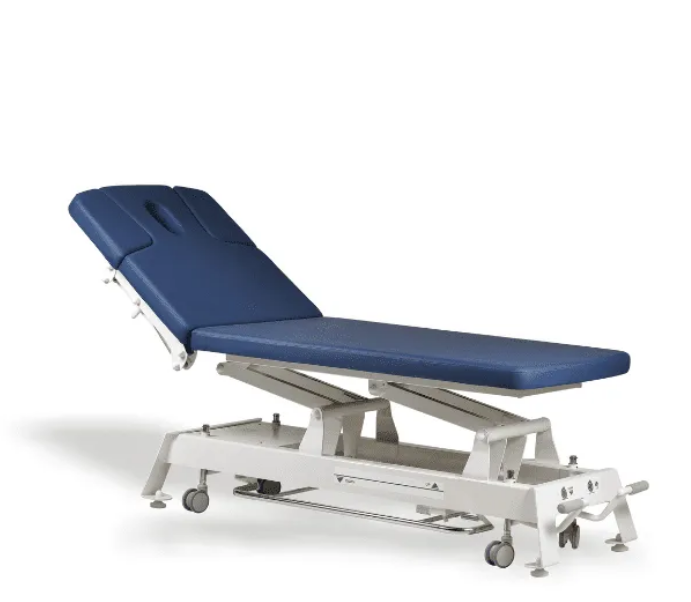

A physiotherapy session can be technically sound and still leave a patient tense, stiff, or frustrated. The reason is often not the therapist’s skill or the treatment approach. It is the surface the patient lies on throughout the full session. In clinical settings across India, this detail is frequently overlooked until it begins to affect outcomes and patient retention rates.
Clinics that invest in a purpose-built physio table report real improvements in how patients respond and how quickly they relax into manual therapy. The treatment surface shapes the clinical experience in ways that are easy to dismiss until patient feedback reflects the problem. A table that positions patients correctly reduces compensatory tension in muscles well beyond the treatment site.
The Hidden Cost of a Flat, Rigid Treatment Surface
The Problem With Standard Non-Adjustable Tables: Most basic treatment tables offer a fixed surface that forces patients into uncomfortable resting positions throughout the session. The neck goes unsupported, shoulders rotate inward, and the lumbar spine carries unrelieved load for the full duration. Patients subconsciously brace against discomfort, which introduces muscular resistance that directly compromises the depth of the therapist’s technique.
What the Therapist Loses in Every Session: When a patient cannot fully relax, manual techniques like soft tissue mobilisation require more force and yield less clinical response. The therapist compensates by working harder for the same outcome. Over a full day, this compounds into fatigue and reduced precision, which is not a minor issue in a discipline built on careful, controlled manual work.
The Cumulative Effect on Patient Retention: Patients who leave sessions feeling stiff or restless may not connect that experience to the table. They attribute it to the treatment itself, and over time that association shapes their perception of the clinic. Poor positioning quietly erodes patient confidence in a way no therapist skill can compensate for without addressing the surface first.
When Body Positioning Becomes the Problem, Not the Solution
Neck and Shoulder Strain in Prone Treatment: Prone positioning is standard in physiotherapy. The patient lies face-down while the therapist addresses the posterior chain, spine, or shoulder girdle. Without adequate face cradle support and cushioning depth that reflects real ergonomic care, the cervical spine carries load from the first minute, creating a secondary tension pattern that directly interferes with the primary clinical focus.
The Armrest Oversight That Compounds Over Time: Arms that hang off a table edge increase shoulder tension and pull on the thoracic muscles the therapist is working to release. Lowerable, padded armrests that hold the arms in a neutral position are a functional clinical requirement for any practice that handles musculoskeletal presentations with any real frequency, and their absence is felt every session.
What a Proper Physiotherapy Table Must Actually Deliver
Choosing a treatment table for an active physiotherapy clinic involves more than checking weight ratings or surface dimensions alone. The following features directly affect patient relaxation, therapist efficiency, and overall session outcomes:
- Multi-section adjustable surface: Independent head, torso, and leg sections allow precise positioning without requiring the patient to shift mid-session.
- Lowerable padded armrests: Neutral arm support reduces shoulder and thoracic tension across the full duration of every appointment.
- Extended height adjustment range: A table that descends low enough removes the physical effort and discomfort of mounting at the start of each session.
- Adjustable face cradle: Neutral cervical alignment in prone positioning protects the neck regardless of the patient’s build or shoulder width.
- Disinfectant-resistant upholstery: High-turnover clinics need surfaces that withstand repeated clinical cleaning without cracking or surface degradation over time.
See also: What Makes Tortilla Chips Healthy and How Healthy Tortilla Chips Are Made
How the Parth Physiotherapy Table Addresses Real Clinical Demands
Built Around the Workflow of Active Physiotherapy Practice: The medical treatment table is designed to meet the specific positioning demands of physiotherapy through a multi-section configuration that adapts to varied patient presentations without interrupting the session. Its lowerable armrests and layered cushioning reduce peripheral tension before the therapist begins the primary technique, which is where treatment gains or loses effectiveness.
Quality Assurance in Construction That Holds Up to Daily Clinical Use: The table’s frame and upholstery reflect quality assurance across materials, welding, and surface finish. The powder-coated steel frame sustains repeated daily sessions without flex or joint instability. The upholstery resists disinfectants used in routine clinical cleaning without cracking or degradation across years of use, which genuinely justifies a procurement decision at this level.
Durability Is Not a Secondary Consideration in a Clinical Setting
Frame Stability Affects Both Safety and Patient Confidence: A treatment table that shifts, creaks, or flexes under load mid-session creates a distraction no clinical environment can afford. Patients notice surface instability, and that undermines the trust and relaxation the therapist is building. Frame integrity in a busy physiotherapy clinic is not a background detail. It is the foundation of predictable, reliable work.
Upholstery Standards That Reflect High-Throughput Practice Demands: Upholstery on a clinical treatment table must maintain cushioning density, surface integrity, and appearance across years of repeated compression and daily cleaning. Tables that look adequate at purchase but degrade within eighteen months are not economies. They are deferred replacement costs that disrupt clinic operations and procurement planning. Material specification at purchase is a critical long-term cost decision.
Where Good Treatment and the Right Surface Finally Come Together
Physiotherapy is a precise discipline. The treatment surface should match that standard. When the table supports patients through correct positioning and real cushioning depth, the therapist works with less resistance, sessions produce stronger results, and patients leave feeling the quality of care they received. Explore clinical-grade physiotherapy tables built for real practice demands and request a specification sheet today.