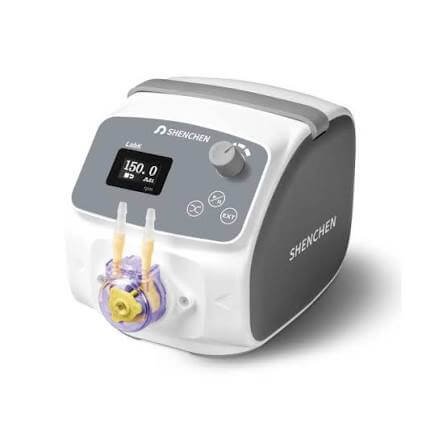

The term micropump describes a distinct engineering category within fluid handling technology, characterized not simply by small physical size but by fundamentally different design and manufacturing approaches compared to standard or even mini-scale peristaltic pumps. Understanding these distinctions helps buyers correctly evaluate whether a product genuinely qualifies as micropump technology or simply represents a smaller version of standard pump design.
Defining True Micropump Engineering
While terminology varies somewhat across the industry, genuine micropump technology typically involves engineering approaches specifically developed for extremely small scale operation, often incorporating specialized manufacturing techniques like precision micro-molding or micro-machining that differ meaningfully from the manufacturing processes used for standard or mini-scale pump production, rather than simply scaling down conventional pump manufacturing methods to smaller dimensions.
Flow Characteristics Unique to Micropump Scale
A peristaltic micropump operates within flow rate ranges considerably below what standard or even mini peristaltic pumps typically achieve, often measured in microliters per minute rather than the milliliter per minute ranges common to larger pump categories, requiring fundamentally different precision engineering approaches to achieve reliable, accurate performance at these extremely low flow volumes.
Manufacturing Precision Demands
Achieving consistent, reliable performance at genuine micropump scale requires manufacturing precision considerably beyond what standard pump production typically demands, since the extremely small physical dimensions involved mean that manufacturing tolerances acceptable at larger scale would represent proportionally enormous variation relative to micropump component dimensions, potentially undermining fundamental pump function rather than simply affecting performance precision.
Material Science Considerations at Micro Scale
Micropump development often requires specialized material science consideration, since material behavior at extremely small physical scale can differ meaningfully from behavior at larger scale, requiring manufacturers to validate material performance specifically within the micropump application context rather than assuming standard pump material specifications translate directly to reliable micropump performance.
Application Categories Genuinely Requiring Micropump Technology
True micropump technology serves application categories with genuinely extreme space constraints combined with precise low-volume fluid handling requirements, including certain implantable medical devices, highly specialized laboratory microfluidic systems, and select diagnostic applications where standard mini pump technology still exceeds available physical space or required flow precision specifications.
See also: 5 Ways Business Leadership Has Evolved
Evaluating Genuine Micropump Capability
Buyers should carefully distinguish between manufacturers offering genuine micropump engineering capability versus those marketing smaller versions of standard pump technology under micropump terminology without the underlying specialized engineering approach that authentic micropump applications typically require.
Working With Specialized Development Partners
Given the highly specialized nature of genuine micropump engineering, buyers with applications requiring this technology should seek manufacturers with specific, documented micropump development experience, since this represents one of the most technically demanding niches within the broader peristaltic pump manufacturing landscape.
Conclusion
Genuine micropump technology represents a distinct engineering category requiring specialized manufacturing approaches beyond simply scaling down standard pump design. Buyers with applications genuinely requiring this level of miniaturization should carefully evaluate manufacturer claims to ensure they’re working with partners possessing authentic micropump engineering expertise rather than simply smaller conventional pump products.
FAQs
Q1: How does genuine micropump technology differ from simply smaller standard pumps? True micropump engineering often requires specialized manufacturing techniques like precision micro-molding, developed specifically for extremely small scale operation, rather than scaled-down conventional manufacturing methods.
Q2: What flow rate ranges are typical for micropump applications? Micropumps often operate in microliter per minute ranges, considerably below the milliliter per minute ranges common to standard or mini pump categories.
Q3: What applications genuinely require true micropump technology? Certain implantable medical devices, specialized laboratory microfluidic systems, and select diagnostic applications with extreme space constraints and precise low-volume requirements typically need this specialized technology.