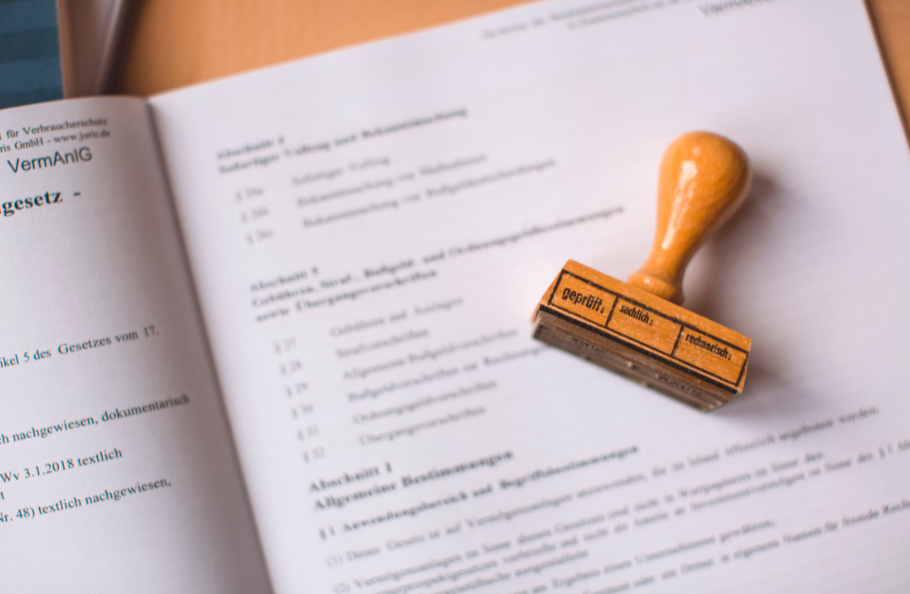
Documents play an important role in many official processes in the UK. From visa applications and court proceedings to education, employment, marriage and business matters, individuals are often required to provide documents that prove their identity, qualifications, relationships or legal status.
When a document has been issued in a language other than English or Welsh, a translation may be required before it can be accepted by a UK organisation.
The exact requirement depends on who is requesting the document and what it will be used for. Some organisations may require a certified translation, while others may have additional requirements relating to legalisation or certification.
For individuals looking for an official translation of documents, understanding when a translation is required can help avoid unnecessary delays and ensure that documents are prepared correctly.
What Is an Official Translation of a Document?
An official translation is a professionally prepared translation intended for submission to an organisation, authority or institution that requires translated documentation.
The term can have different meanings depending on the organisation requesting the document. In many UK processes, the important requirement is that a translation is certified or can be independently verified.
GOV.UK states that when certifying a translation of a document that is not written in English or Welsh, the translator should confirm in writing that it is a true and accurate translation of the original document. The certification should also include the date of translation and the translator’s full name and contact details.
Official, Certified and Legalised Translations
These terms are sometimes used interchangeably, but they can refer to different requirements.
A certified translation generally includes a declaration from the translator confirming its accuracy. Legalisation is a separate process that verifies certain signatures, stamps or seals on documents for use in another country.
Always check the specific requirements of the organisation receiving your document before ordering additional services.
When Do You Need an Official Translation in the UK?
There is no single rule covering every document and every organisation. Translation requirements depend on the purpose of the document and the authority requesting it.
If an official form, application or institution specifically asks for a certified or official translation, you should follow those instructions carefully.
Documents written in another language may also need translation when they are being submitted as supporting evidence for immigration, legal, educational or administrative purposes.
Official Translations for UK Visa Applications
Immigration is one of the most common situations where people need certified translations.
UK immigration rules generally require documents submitted as evidence to be provided in English or Welsh, or accompanied by a full translation that can be independently verified when the original document is in another language. The translation requirements can include confirmation of accuracy, the date, translator details and other information depending on the application.
For example, current Home Office guidance for visitor applications states that a document not in English or Welsh must be accompanied by a full translation that can be independently verified. The translation must confirm that it is accurate, include the date, the translator’s full name and signature, and contact details.
Documents Commonly Translated for Immigration
The documents required vary according to the type of visa and the applicant’s circumstances.
Common examples can include:
- Birth certificates
- Marriage certificates
- Divorce documents
- Academic certificates
- Bank or financial documents
Family visa applications also require certified translations of documents that are not in English or Welsh.
Because requirements can vary between visa categories, applicants should always check the latest GOV.UK guidance for their specific application.
Official Translation for Marriage and Civil Partnership
People planning to marry or enter into a civil partnership may need translated documents, particularly when previous marriages or relationships need to be documented.
For example, a person who has previously been married may need evidence showing that they are free to marry again. Depending on the circumstances, this can include documents such as a decree absolute or a previous partner’s death certificate.
For certain UK visa applications connected with marriage, GOV.UK specifically states that certified translations may be required for documents that are not in English or Welsh.
Previous Marriage Documents
If your documents were issued overseas, check whether the relevant registrar, visa authority or other organisation requires a certified translation.
Important documents may include:
- Divorce certificates or final orders
- Marriage certificates
- Death certificates
- Name change documents
Getting the translation prepared before an appointment can help you avoid last minute administrative problems.
Official Translation for Courts and Legal Proceedings
Legal proceedings can also involve documents written in foreign languages.
The requirements depend on the type of case, the court and how the document is being used.
The Civil Procedure Rules, for example, contain specific requirements for translations of certain documents served outside the jurisdiction. The translation may need to be accompanied by a statement from the translator confirming that it is correct and providing the translator’s name, address and qualifications.
Family court procedures can also contain specific translation requirements for documents served in other countries.
Why Legal Document Accuracy Matters
Legal documents often contain names, dates, reference numbers, legal terminology and information that must correspond closely with the original.
A professional translation should preserve the meaning of the source document without introducing unnecessary interpretation.
If the court or solicitor has provided specific instructions about the required format or certification, provide these instructions to the translation provider before work begins.
Official Translation for Education
Academic documents may need translation when students apply to UK universities, professional institutions or other educational organisations.
Depending on the institution, applicants may be asked to provide translated versions of qualifications, transcripts, certificates or academic records.
The exact requirements vary between institutions. Some may accept certified translations, while others may specify a particular translation provider or certification method.
Academic Documents That May Need Translation
Examples include:
- Degree certificates
- School certificates
- Academic transcripts
- Professional qualifications
Before ordering a translation, check the university or institution’s admissions guidance to determine what type of translation they accept.
Official Translation for Employment
Employers and professional organisations may request translated documents when verifying qualifications or professional experience.
This can be particularly relevant for regulated professions where applicants need to demonstrate qualifications obtained outside the UK.
A translated qualification certificate can make it easier for an organisation to understand the information contained in the original document.
However, translation does not automatically establish that a qualification is equivalent to a UK qualification. If equivalency is required, a separate assessment may be necessary.
Official Translation for Business and Commercial Documents
Businesses operating internationally may also need official translations.
Companies may use translated documents when working with overseas partners, registering businesses, dealing with financial institutions or entering into commercial agreements.
Business documents can include contracts, certificates of incorporation, company records and financial documentation.
Documents Used Internationally
If a UK document is going to be used overseas, the receiving country may have its own requirements.
In some cases, a document may need to be certified or legalised before it can be accepted abroad. GOV.UK advises checking with the organisation requesting the legalised document to determine whether an original, certified copy or particular form of certification is required.
This is particularly important because translation and legalisation are separate processes.
Official Translation for Probate and Estate Matters
After someone dies, families and executors may need to deal with documents issued in another country.
These can include death certificates, marriage certificates, wills, property records and other documents connected with an estate.
A translated document may be required by a solicitor, court, financial institution or another organisation involved in administering the estate.
The exact requirements should be confirmed with the organisation handling the matter.
Do You Need a Certified Translation?
Not every translated document necessarily requires the same level of certification.
The key question is who will receive the translation and what they have requested.
If an organisation specifically asks for a certified translation, the translation should meet its stated requirements.
Check Before Ordering
Before ordering a translation, consider:
- Who will receive the translated document?
- Does the organisation require certification?
- Does it specify particular translator qualifications?
- Is notarisation or legalisation also required?
- Is there a submission deadline?
These questions can help you order the appropriate service rather than paying for unnecessary extras.
What Is the Difference Between Certification and Legalisation?
Certification and legalisation serve different purposes.
Certification generally relates to confirming the accuracy or authenticity of a translation or copy, depending on what has been requested.
Legalisation is used to verify certain signatures, stamps or seals on a document so that it can be recognised for official use in another country. The UK Legalisation Office can attach an apostille to eligible UK documents after checking the relevant signatures, stamps or seals.
Do Not Assume You Need an Apostille
An apostille is not automatically required simply because a document needs translation.
The receiving authority should tell you whether legalisation is necessary.
If you are unsure, check the instructions provided by the organisation before ordering certification, notarisation or legalisation services.
How to Choose a Professional Translation Service
Choosing a suitable translation provider is important when documents are being submitted for official purposes.
Look for a provider with experience in the type of document you need translated and the language combination involved.
The provider should also be able to explain what certification is included and whether additional services are available if required.
What to Check
Consider:
- Experience with official documents
- Availability of the required language
- Certification options
- Turnaround time
- Clear pricing
It is also useful to tell the provider exactly where the translation will be submitted. This allows them to understand the purpose of the translation and prepare the document accordingly.
What Happens If You Submit the Wrong Translation?
Submitting a translation that does not meet an organisation’s requirements can result in requests for additional documents or corrections.
In an immigration application, for example, translations may need to meet specific Home Office requirements. Current immigration rules specify information that must accompany certain translated documents, including confirmation of accuracy, date, translator details and contact information.
For this reason, it is better to check the requirements before the translation is completed rather than discovering a problem after submission.
Final Thoughts
An official translation of documents may be necessary whenever a UK organisation needs to understand or verify a document written in another language.
Common situations include visa and immigration applications, marriage and civil partnership procedures, court cases, education, employment, probate and international business.
The important point is that translation requirements can vary. A document may require a certified translation, while another situation may involve additional certification or legalisation.
Before ordering a translation, identify the organisation receiving the document and check its latest requirements. This can help you choose the correct type of translation and avoid unnecessary delays.
For individuals and businesses dealing with important documents, professional translation can provide a clear and accurate version that is prepared with the intended official use in mind.
Document Translation Services provides professional translation solutions for official documents, helping individuals and businesses prepare accurate translated documents for UK and international requirements.