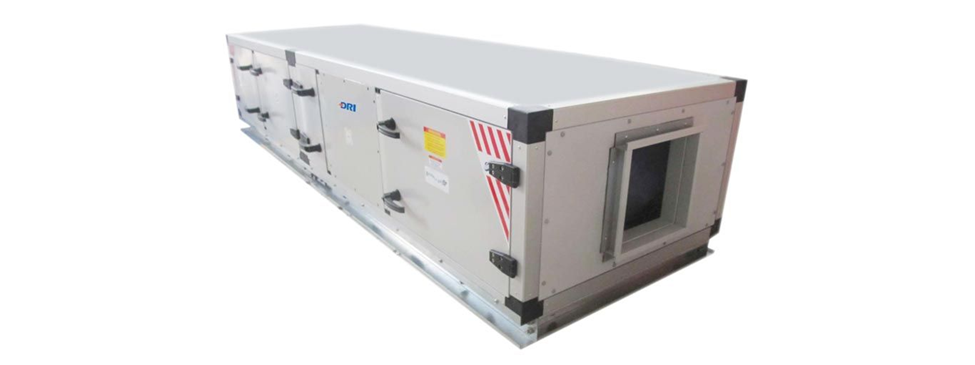
Commercial kitchens produce heat, grease, smoke, moisture, and cooking odors throughout their operating hours. Without suitable ventilation and exhaust treatment, these contaminants can accumulate around cooking areas and enter the exhaust stream. A properly designed kitchen exhaust system helps capture contaminated air and manage pollutants before the air is discharged. Modern systems can combine extraction with multiple filtration technologies to address different types of contaminants. Understanding how these systems work can help facility managers, HVAC professionals, and commercial kitchen operators select appropriate air treatment equipment.
What Is a Kitchen Exhaust System?
A kitchen exhaust system is an engineered ventilation and air treatment arrangement designed to remove contaminated air generated during cooking. The system typically works with exhaust hoods, ductwork, filtration equipment, fans, and controls to move and treat air from the kitchen. Cooking processes can release oil, grease, smoke, dust, fine particles, and odors, making basic ventilation insufficient for some commercial applications. Multi-stage exhaust treatment can address these contaminants before the air reaches the discharge point. The configuration depends on the type of cooking equipment, exhaust volume, building layout, and applicable requirements.
Kitchen exhaust systems are particularly important in commercial and institutional facilities where cooking occurs at a larger scale. The equipment must be sized according to airflow requirements and designed to provide effective capture without creating unnecessary pressure losses. Filtration requirements also vary according to the contaminants present in the exhaust stream. A complete system should therefore be selected according to both ventilation and air treatment requirements. Proper engineering helps ensure that the exhaust system operates consistently under the expected conditions.
See also: Home Renovation in 2026: Smarter, Greener, and Designed for Real Life
Why Do Commercial Kitchens Need Exhaust Air Treatment?
Cooking produces several airborne contaminants that can travel through the exhaust system. Oil and grease can accumulate on surfaces and inside exhaust components if they are not adequately captured and filtered. Smoke and fine particles can also remain suspended in the air, while cooking odors can travel beyond the immediate kitchen area. These different contaminants require different approaches to filtration and treatment. A multi-stage exhaust system allows each filtration technology to address a specific part of the exhaust stream.
Important contaminants generated by commercial cooking can include:
- Oil and grease particles
- Smoke and fine particulate matter
- Dust and airborne contaminants
- Cooking-related odors
- Heat and moisture
Effective exhaust treatment is not limited to moving contaminated air outdoors. The exhaust air may need to pass through several treatment stages depending on the application and discharge requirements. This is particularly relevant when exhaust outlets are located near occupied areas or surrounding properties. The filtration arrangement should be designed according to the expected contaminant load and operating conditions.
How Does a Kitchen Exhaust System Work?
A commercial kitchen exhaust system generally begins at the cooking area, where an exhaust hood captures contaminated air. The captured air travels through ductwork toward filtration and air treatment equipment. Depending on the system design, the exhaust may pass through grease filters, particulate filtration, electrostatic precipitation, gas-phase filtration, and other treatment stages. An exhaust fan then maintains the required airflow and moves the treated air toward the discharge point. Controls can be used to monitor and manage system operation.
The efficiency of the overall system depends on how well its components work together. Adequate hood capture is necessary before downstream filtration can operate effectively. Duct design affects airflow and pressure drop, while filtration technology determines which contaminants can be removed. Fan selection must account for the resistance created by ductwork and filtration equipment. A properly engineered system considers these factors as a complete airflow path rather than selecting each component separately.
Capturing Contaminated Kitchen Air
The exhaust hood is responsible for capturing air generated around cooking equipment. Its size, position, and airflow capacity influence how effectively contaminants enter the exhaust system. Poor capture can allow smoke, grease, and heat to escape into surrounding areas before reaching the filtration equipment. Correct airflow calculations and hood design are therefore essential parts of the system.
Filtering Oil and Grease
Oil and grease are common contaminants in commercial kitchen exhaust. Larger grease particles can be captured through appropriate mechanical filtration before the air reaches finer filtration stages. Removing these contaminants early can help reduce the load placed on downstream components. It can also help limit grease accumulation within the wider exhaust arrangement.
Removing Smoke and Fine Particles
Smoke contains smaller airborne particles that may require additional filtration after initial grease removal. Electrostatic precipitation and particulate filtration can be used as part of a multi-stage system to address these contaminants. The appropriate technology depends on particle characteristics, airflow, and the required filtration performance. System design should also account for pressure drop as filters become loaded during operation.
Controlling Kitchen Odors
Cooking odors are different from particulate contaminants and may require gas-phase treatment. Gas-phase filters can target certain gaseous compounds and odor-producing substances that are not effectively removed by conventional particle filters. This makes odor control a separate consideration when designing commercial kitchen exhaust treatment. The required technology depends on the type and concentration of contaminants in the exhaust.
Key Components of a Commercial Kitchen Exhaust System
A complete kitchen exhaust arrangement can include several components working together. The exact configuration depends on the kitchen, cooking processes, building requirements, and desired exhaust treatment performance. DRI’s Ecology units incorporate multiple filtration stages, including electrostatic precipitation, particulate filtration, and gas-phase filtration, along with fan and control sections.
Typical components may include:
- Exhaust hood and ductwork
- Grease filtration
- Electrostatic precipitator
- Particulate filters
- Gas-phase filters
- Exhaust fan
- Control panel
- Optional odor neutralization or UV treatment
Each component serves a different purpose within the airflow path. The hood captures contaminated air, while filtration equipment reduces specific pollutants. The fan provides the airflow required to move the air through the system, and controls help manage operation. Additional equipment can be included when the application requires enhanced filtration, odor control, or safety features.
Understanding Multi-Stage Filtration
A single filtration method cannot necessarily address every contaminant found in commercial kitchen exhaust. Oil, grease, particulate matter, smoke, and odors have different physical and chemical characteristics. Multi-stage filtration allows the system to progressively treat the exhaust stream. DRI describes its Ecology units as using a five-stage filtration approach designed to address oil, grease, dust, smoke, and odor.
The stages can include:
- Initial oil and grease removal
- Particulate filtration
- Electrostatic precipitation
- Gas-phase filtration
- Final exhaust air treatment
The exact configuration can vary according to project requirements. Filtration stages should be selected based on the cooking process, contaminant concentration, airflow volume, and required discharge conditions. Proper sequencing can also help protect downstream filtration equipment from excessive loading. Maintenance requirements should be considered during system selection so that filters remain accessible for inspection and servicing.
Benefits of a Properly Designed Kitchen Exhaust System
A well-designed kitchen exhaust system can provide several operational benefits for commercial facilities. Effective capture and filtration can help reduce the amount of grease, smoke, particles, and odors released through the exhaust stream. It can also help protect downstream equipment from excessive contaminant accumulation. The result is a more controlled approach to commercial kitchen ventilation and exhaust air treatment.
Potential benefits include:
- Improved exhaust air quality
- Reduced grease and particulate emissions
- Better management of cooking odors
- Protection of downstream exhaust components
- More controlled kitchen ventilation
- Easier monitoring and planned maintenance
Performance depends on correct sizing, installation, filtration selection, and maintenance. A system that is undersized or incorrectly configured may not provide the required capture or treatment performance. Regular inspection is also important because filters and other components can become loaded during continued operation. Equipment should therefore be selected with both performance and service requirements in mind.
Where Are Kitchen Exhaust Systems Used?
Kitchen exhaust systems are used wherever commercial-scale cooking generates significant quantities of contaminated air. Hotels, restaurants, food courts, hospitals, institutional kitchens, and commercial buildings can all require dedicated kitchen exhaust arrangements. The ventilation requirements can vary considerably between facilities depending on cooking equipment and operating schedules. The exhaust treatment strategy should reflect the specific contaminants generated by the cooking process.
Common application areas include:
- Restaurants and commercial kitchens
- Hotels and hospitality facilities
- Hospital and institutional kitchens
- Mall food courts
- Schools and educational facilities
- Large commercial buildings
The size and configuration of the system should match the cooking equipment and expected exhaust volume. Larger operations may require multiple exhaust zones or higher-capacity treatment equipment. Space availability can also influence whether equipment is installed on rooftops, ceilings, or within other suitable areas. Customized configurations can help accommodate different building layouts and service requirements.
Kitchen Exhaust Systems and Other Air Treatment Technologies
Kitchen exhaust treatment is one part of a broader building air management strategy. Commercial facilities may also require cooling, ventilation, humidity control, and energy-efficient air treatment. Different technologies address different parts of the building’s air requirements. For example, a dew point cooler can be considered for suitable cooling applications where evaporative cooling technology is appropriate.
Similarly, a chilled beam system can support space conditioning in building applications where the technology fits the project’s cooling and ventilation requirements. These systems do not replace kitchen exhaust equipment because they perform different air treatment functions. Kitchen exhaust equipment is specifically designed to manage contaminated air generated by cooking processes. Selecting complementary HVAC technologies requires consideration of airflow, heat loads, humidity, contaminants, and building use.
Kitchen Exhaust System Design Considerations
Choosing the right system requires an assessment of the complete exhaust application. Cooking equipment, exhaust volume, operating hours, contaminant levels, installation space, and discharge requirements all influence equipment selection. The system should also account for pressure drop across filters and other components. A detailed airflow assessment can help determine the required fan capacity and filtration arrangement.
Important factors include:
- Type and quantity of cooking equipment
- Required exhaust airflow
- Grease and smoke generation
- Odor-control requirements
- Filtration stages
- Available installation space
- Fan capacity and pressure drop
- Access for maintenance
- Applicable safety and building requirements
Applicable standards and local codes should also be reviewed during system design. DRI references standards including UL 710 and NFPA 90 for relevant equipment and applications, but specific requirements can vary according to jurisdiction and installation. Fire safety provisions should receive particular attention because commercial kitchen exhaust systems operate in environments where grease and high temperatures can be present. Professional engineering and installation help ensure the selected system meets project requirements.
Why Maintenance Matters for Kitchen Exhaust Systems
Maintenance is essential for keeping a kitchen exhaust system operating as intended. Filters can become loaded with grease, dust, and particulate matter over time, increasing pressure drop and potentially affecting airflow. Fans, electrical components, controls, and other equipment also require periodic inspection. Maintenance schedules should be based on operating conditions, manufacturer recommendations, and applicable requirements.
Routine maintenance may involve:
- Inspecting and cleaning filters
- Checking filter loading and pressure drop
- Inspecting exhaust fans
- Checking controls and electrical components
- Reviewing airflow performance
- Cleaning accessible exhaust components
Regular service can help identify developing issues before they affect system performance. It also supports consistent filtration and airflow throughout the equipment’s operating life. Maintenance personnel should follow appropriate safety procedures when servicing kitchen exhaust equipment. Proper access should therefore be considered when the system is installed.
Conclusion
A kitchen exhaust system provides more than basic ventilation for commercial cooking areas. A properly designed system captures contaminated air and uses suitable filtration and treatment technologies to manage grease, smoke, particles, and odors. Multi-stage filtration can provide a more comprehensive approach because different contaminants require different treatment methods. Equipment selection should consider airflow, filtration performance, pressure drop, installation conditions, safety requirements, and maintenance needs.
The right kitchen exhaust solution depends on the specific cooking process and building requirements. A detailed assessment can help determine the appropriate combination of exhaust, filtration, fan capacity, controls, and optional treatment technologies. For technical guidance or project-specific requirements, you can contact Desiccant Rotors International.
Frequently Asked Questions About Kitchen Exhaust Systems
1. What is a kitchen exhaust system?
A kitchen exhaust system captures and removes contaminated air generated during commercial cooking. It can combine exhaust hoods, ductwork, filtration equipment, fans, and controls to manage grease, smoke, particles, heat, moisture, and odors.
2. What does a commercial kitchen exhaust system remove?
A commercial kitchen exhaust system can be designed to address oil, grease, smoke, dust, particulate matter, and cooking odors. The actual contaminants removed depend on the filtration technologies installed and the characteristics of the exhaust stream.
3. Why are multiple filtration stages used?
Different contaminants require different treatment methods. Multi-stage filtration allows grease, particulate matter, smoke, and odors to be addressed through appropriate filtration technologies instead of relying on one filter type.
4. How does a kitchen exhaust system control odors?
Odor control can involve gas-phase filtration or other dedicated odor-treatment technologies. These systems target gaseous compounds that conventional particle filters may not effectively remove. The appropriate approach depends on the exhaust composition and required performance.
5. What should be considered when selecting a kitchen exhaust system?
Important considerations include cooking equipment, exhaust airflow, contaminant levels, filtration requirements, pressure drop, installation space, maintenance access, fire safety, and applicable building or industry requirements.