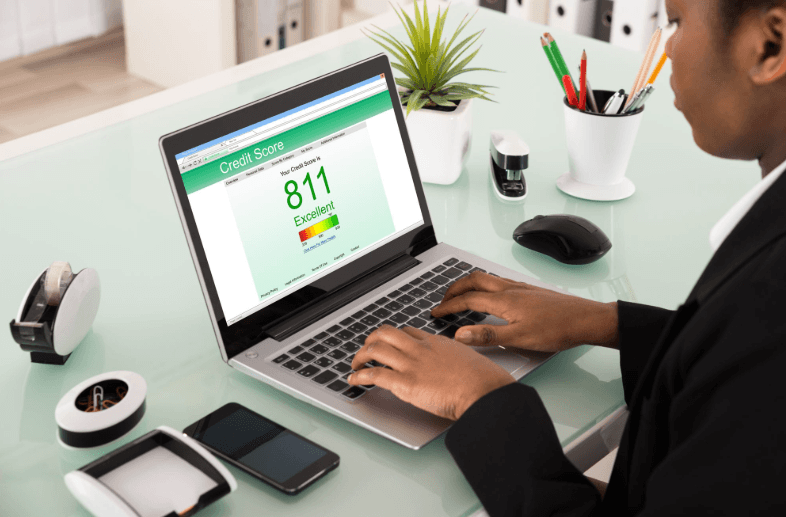

When you want to get a short-term loan, a loan, or a mortgage, you might think that your three-digit credit score is the only thing banks look at to approve you. If your score is under a set number, it can feel like there is no way to get approved. But things are very different now. The people who look at your request to borrow money do not just look at your credit score from a credit agency. They also look at your life right now, not just old money problems.
This new way uses a real-time look at how you handle money, how steady your job is, and if you can pay for a loan now. They use these to make sure things are good and fair for all people. This helps more people with different money stories get a good chance to borrow money when they need it. Getting good money advice from places like Swift Money can help people know how credit choices are made today. This is important because more people use the web to get loans now. The right help can make things feel less confusing.
1. Real Disposable Income vs. Gross Earnings
Your total pay helps set your main money level. But lenders really care more about your disposable income. This is the money you get to keep each month after you take your net income and subtract all the must-pay living costs.
Underwriters carefully calculate:
- Essential Outgoings: This is the money you use for things you must pay. It can be rent or mortgage, council tax, water, gas, electricity bills, and food.
- Existing Commitments: These are things you still need to pay back. They can be credit cards, buy-now-pay amounts, or car payments.
- Safety Buffer: This is the money you have left after you pay for what you must and for things you still owe. It should help you handle a new monthly payment without hard money stress.
A person who gets a modest salary and has low living costs can be in a better spot for loan approval. This can happen even if you compare that person to someone who gets a high salary but has a lot of debt. A person with less debt and low spending can sometimes look better to people who give loans.
2. Recent Account Conduct and Recovery Patterns
A credit file can show money details for up to six years. But the new tools to check risk mostly look at what you did recently, not what happened a long time back.
| Financial Indicator | How Lenders View It | Impact Level |
| Old Defaults (3–5 years old) | Considered legacy markers; impact diminishes over time if resolved. | Low to Moderate |
| Recent Missed Payments (Last 3–6 months) | Indicates immediate stress or active budgeting challenges. | High |
| Settled CCJs | Demonstrates responsibility and effort to resolve historical liabilities. | Positive Trend |
Paying your bills and other regular costs on time with direct debit for 6 to 12 months shows you are better with money. This is important even if you still have an old missed payment on your credit report.
3. The Open Banking Revolution: Real-Time Verification
Open Banking helps you see someone’s credit more easily. It does not just use old reports. Now, people can let others read their latest bank info in a safe way.
With this safe way to share data, lenders look at:
- Income Stability: Show proof that you get paid often or that you earn money in a regular way from your own work.
- Account Management: There should not be many unplanned overdraft fees or too much money spent on gambling.
- Live Cash Flow: Give a clear and new view of how you spend money each month, since your credit score does not show this.
This real-time view helps underwriters know if people can pay for it at this time. They can say yes to people who show they have the money now, even if these people had problems before.
4. Stability Markers: Residence and Employment
Money risk models give value to being steady. Lenders look at how stable a business is as one of the main ways to see risk.
- Time at Current Address: Staying in the same place for over a year shows that your life is steady.
- Electoral Roll Status: If your name is on the electoral roll at where you live now, it helps show who you are right away.
- Time with Job: If you work at the same job for months or longer, the people checking will feel sure you get paid on time.
5. Loan Fit and Proportionality
At the end, lenders check if the loan you want is a good match for what you can pay back. If you ask for an amount that goes well with your extra income, you get a better chance of getting the loan. If you ask for too much, your chances are not as good.
See also: 5 Ways Business Leadership Has Evolved
Summary: Taking Control of Your Financial Profile
Your credit score is only the start. It does not tell everything about how you handle money. If you keep your latest records clean, use less than 30% of your credit, make sure your address is right on the electoral roll, and use safe Open Banking tools, you give a clear look at how you use credit. Making smart choices with borrowing through places like Swift Money helps you find the right credit that fits what you really need today.