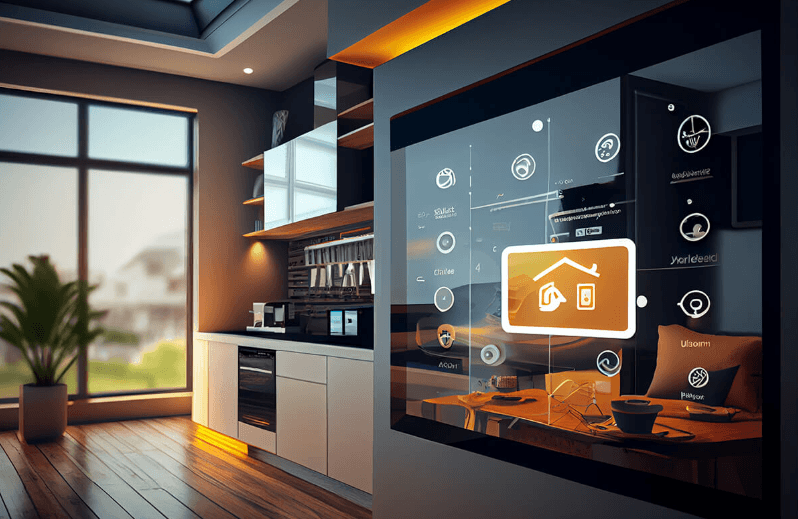

TL;DR: A connected home uses smart devices—thermostats, lighting, cameras, locks, doorbells, and speakers—to automate everyday tasks, boost security, and reduce energy costs. Home automation installation is the process of integrating these devices into a unified, controllable system.
Walking into a home that adjusts the temperature before you arrive, greets you with the right lighting, and locks itself when you leave sounds like something from a sci-fi film. But for millions of homeowners, that’s just Tuesday. Smart home technology has moved from novelty to necessity, and home automation installation has become one of the fastest-growing trends in residential upgrades. If you’re thinking about making your home smarter, here’s where to start.
Must-Have Smart Devices for Your Connected Home
Smart Thermostats
A smart thermostat learns your schedule and adjusts heating or cooling accordingly. Devices like the Google Nest or Ecobee let you control your home’s temperature remotely via a smartphone app—so you’re never heating an empty house. The energy savings alone often justify the cost within the first year.
Smart Lighting Systems
Smart bulbs and lighting systems give you full control over brightness, color, and scheduling. Forgot to turn the lights off before a vacation? A quick tap on your phone fixes that. Brands like Philips Hue also allow mood-based scenes, making it easy to shift from work mode to wind-down mode without leaving the couch.
Smart Security Cameras
Visible security cameras act as a deterrent, while indoor cameras give you a real-time view of your home no matter where you are. Most modern systems offer motion detection alerts, night vision, and cloud storage—features that provide genuine peace of mind for families and frequent travelers alike.
Smart Doorbells
A smart doorbell lets you see, hear, and speak with anyone at your door—whether you’re upstairs, at the office, or across the country. Ring and Nest Hello are popular options that integrate seamlessly into broader home automation installation setups.
Smart Speakers
Devices like Amazon Echo and Google Home serve as the command center of your connected home. They respond to voice commands, control compatible devices, play music, set reminders, and answer questions. Think of them as the glue that holds your smart ecosystem together.
Smart Locks
No more fumbling for keys. Smart locks offer keyless entry via PIN codes, smartphones, or fingerprint recognition. You can also grant temporary access to guests or service providers—and revoke it just as easily.
Benefits of Home Automation Installation
The appeal of a connected home goes beyond convenience. Here’s what homeowners consistently gain from a well-planned home automation installation:
- Security: Real-time alerts, remote monitoring, and smart locks create multiple layers of protection.
- Energy savings: Automated lighting and climate control reduce unnecessary usage, cutting utility bills over time.
- Convenience: Routines that once required manual effort—adjusting lights, locking doors, checking cameras—happen automatically.
- Property value: Smart home features are increasingly attractive to buyers, making upgrades a worthwhile long-term investment.
See also: Door Safety Features Every Home Should Have
Getting Started with Home Automation Installation
You don’t need to overhaul your entire home overnight. A gradual, intentional approach works best.
Start by assessing your needs. Are you most concerned about security? Energy costs? Convenience? Your priorities should guide your first purchases.
Choose compatible devices. Most smart devices operate within ecosystems like Amazon Alexa, Google Home, or Apple HomeKit. Picking devices within the same ecosystem makes integration smoother.
Consider professional help for complex setups. While many smart devices are designed for DIY installation, a professional home automation installation service is worth considering if you’re wiring in hardwired cameras, whole-home audio systems, or complex network configurations.
Start small, then expand. A smart thermostat or a single smart speaker is a low-risk entry point. Once you’re comfortable, adding more devices becomes intuitive.
Build the Home You Actually Want to Live In
A connected home isn’t about having the latest gadgets—it’s about creating a space that works for you. Whether you’re drawn to the security features, the energy savings, or simply the convenience of voice-controlled lighting, home automation installation makes everyday living a little easier.
The best time to start? Now. Pick one device, get it set up, and see how quickly it becomes something you can’t imagine living without.