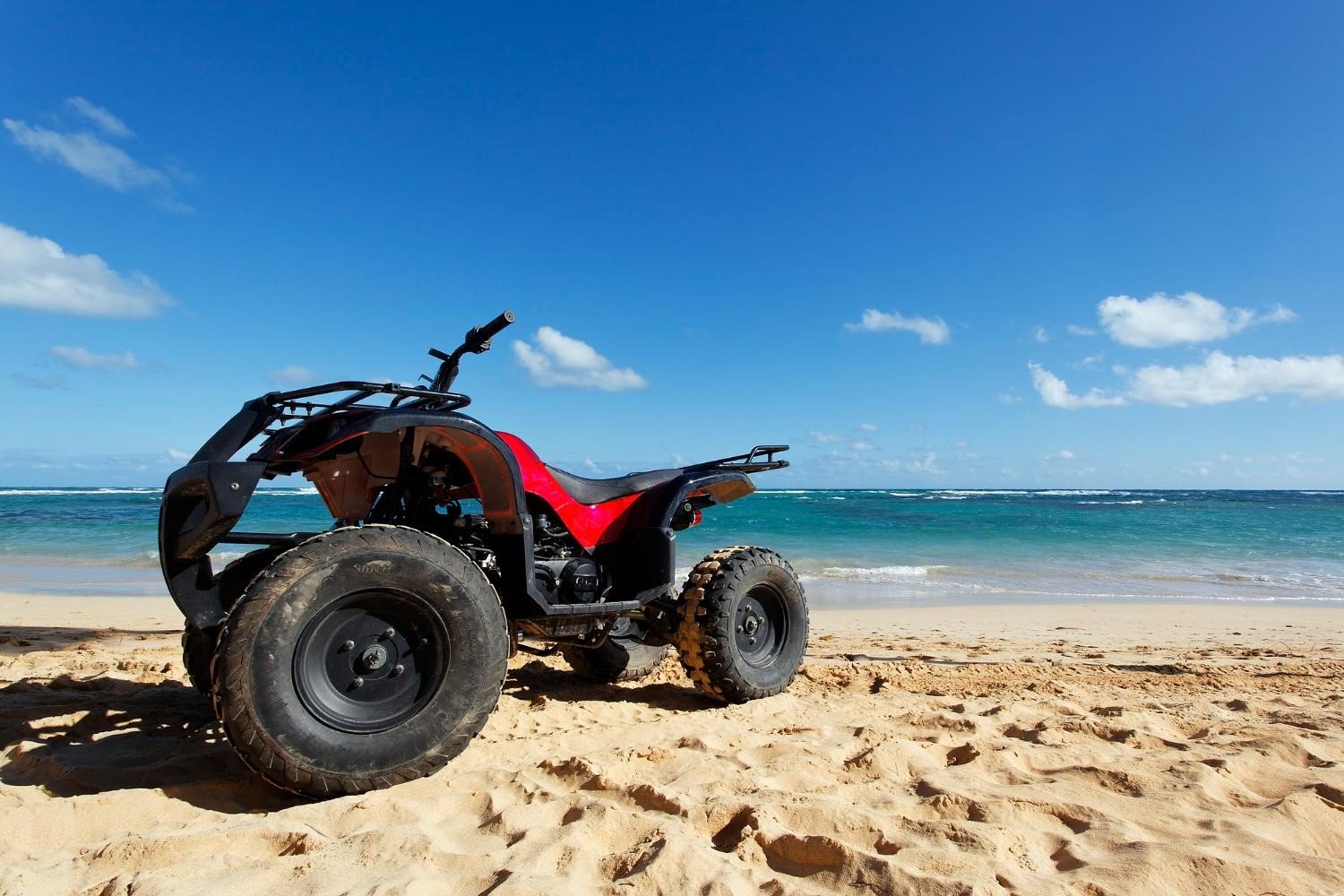

An all terrain vehicle can be useful for much more than weekend recreation. Depending on the model and how it is equipped, an ATV can become part of an outdoor adventure, a practical tool for property maintenance, or a convenient way to explore suitable off road areas.
For people looking for a versatile option, Apollo ATVs can be considered for a variety of riding needs. The right ATV depends on where it will be used, who will ride it, and what the owner expects from the vehicle.
Choosing an ATV should not be based solely on appearance or engine specifications. A better approach is to understand how you plan to use the vehicle and then look for features that support those activities.
Understanding What an ATV Can Offer
An ATV is designed to travel across terrain where ordinary vehicles may not be practical. Its compact size and four wheel design can make it useful for outdoor environments, private properties, trails where permitted, and certain work applications.
Some owners primarily use their ATV for recreation. Others may use it for checking large properties, moving equipment, or handling routine outdoor tasks.
The flexibility of an ATV is one of its biggest advantages. However, this flexibility also means that buyers should select a vehicle according to their specific requirements.
Before choosing a model, think about the type of terrain you expect to encounter and how often you will use the vehicle.
Choosing an ATV for Recreational Riding
Recreational riding is one of the most popular reasons people purchase ATVs. Riders may enjoy exploring suitable trails, spending time outdoors, or simply experiencing the handling of an off road vehicle.
When selecting Apollo ATVs for recreational use, consider factors such as engine performance, suspension, handling, seating, and overall comfort.
The riding environment should also influence your decision. A vehicle intended for open terrain may have different requirements from one that will regularly be used on more uneven ground.
Comfort becomes increasingly important during longer rides. A suitable seat, manageable controls, and a suspension system appropriate for the terrain can make the experience more enjoyable.
Using an ATV Around Private Property
An ATV can also be useful around farms, large residential properties, recreational land, and other private areas where vehicle use is permitted.
Owners may use an ATV to move around the property, inspect fencing, transport small items, or perform routine outdoor activities.
The compact size of an ATV can be useful when navigating areas that are difficult to reach with a larger vehicle.
If you plan to use your ATV for property work, consider storage and carrying requirements. Features such as racks or compatible accessories may make the vehicle more practical for these tasks.
Considering the Terrain
Terrain should be one of the first factors considered when choosing an ATV.
Flat ground, grassy areas, loose soil, rocky surfaces, and uneven trails can all provide different riding conditions.
Think about the areas where you realistically expect to ride rather than choosing a vehicle based on extreme situations you may never encounter.
Ground clearance, tires, suspension, steering, and overall dimensions can all influence how an ATV behaves across different surfaces.
Understanding your usual terrain can help you select an option that feels appropriate and manageable.
Pay Attention to Engine Size
Engine size is often one of the first specifications buyers notice, but bigger does not automatically mean better.
The appropriate engine size depends on how the ATV will be used, the rider’s experience, the terrain, and the desired performance.
Someone looking for occasional recreational use may have different requirements from someone using an ATV regularly for demanding outdoor tasks.
When reviewing Apollo ATVs, compare engine specifications alongside the other features instead of treating engine size as the only deciding factor.
A knowledgeable dealer can also help explain how different specifications relate to practical riding situations.
Think About Rider Experience
Experience level is another important consideration.
New riders may benefit from an ATV that feels predictable and manageable. More experienced riders may have different expectations regarding handling and performance.
Regardless of experience, it is important to become familiar with the controls before riding in more challenging environments.
New owners should take time to understand acceleration, braking, steering, shifting if applicable, and other controls.
Developing confidence gradually is a better approach than immediately attempting difficult terrain.
Consider Comfort and Ergonomics
An ATV should be comfortable enough for the type of riding you intend to do.
Pay attention to the seat position, handlebar placement, foot areas, controls, and general riding posture.
A vehicle that feels comfortable during a short inspection may feel very different after extended use, so consider how long you expect to ride at a time.
Comfort is especially relevant when the ATV will be used for property work or long recreational trips.
Look at Suspension and Handling
Suspension affects how an ATV responds to uneven surfaces.
If you regularly ride across rough terrain, suspension characteristics can have a noticeable effect on comfort and control.
Handling is equally important. An ATV should feel predictable when turning, stopping, and navigating changes in terrain.
Rather than focusing only on specifications, consider how the vehicle’s overall setup matches your expected riding conditions.
Consider Storage and Carrying Needs
An ATV can become more useful when it can carry essential equipment.
If you plan to use the vehicle for property maintenance or outdoor work, consider whether it can accommodate suitable racks or other compatible storage accessories.
Think about what you actually need to carry. Small tools, supplies, personal items, or other equipment may require different storage solutions.
Planning these requirements before purchasing can help you select a more practical configuration.
Maintenance Should Be Part of the Decision
Every ATV requires routine care.
Maintenance may include checking fluids, inspecting tires, keeping components clean, checking brakes, and following the recommended maintenance schedule.
Regular inspection can help identify potential problems before they become more serious.
Before purchasing Apollo ATVs, ask the dealer about recommended maintenance and replacement parts.
Knowing what routine care is required can help you understand the responsibilities associated with ownership.
Keep Replacement Parts in Mind
Parts availability can become important as the vehicle accumulates use.
Wear items may eventually require replacement, while other components may need attention due to normal use or accidental damage.
Ask where replacement parts can be obtained and whether commonly needed components are readily available.
A dependable source for parts can make ownership easier and reduce unnecessary delays when maintenance is required.
Safety Should Always Come First
An ATV can be enjoyable and useful, but responsible riding is essential.
Always follow applicable rules and operate the vehicle only in areas where ATV use is permitted.
Wear suitable protective equipment and make sure you understand the controls before riding.
Avoid taking unnecessary risks simply because an ATV is designed for off road use. Uneven terrain, steep slopes, loose surfaces, water, and other environmental conditions can create hazards.
New riders should take particular care to build their skills gradually.
Understand Where You Can Ride
Not every outdoor area is open to ATV use.
Before riding, check the rules that apply to the location. Some trails, parks, roads, and private areas may have specific restrictions.
If you are using an ATV on private property, make sure you have appropriate permission.
Understanding local requirements can help you avoid unnecessary problems and contribute to responsible ATV use.
Preparing for Outdoor Adventures
If recreation is your main goal, preparation can make each outing more enjoyable.
Before leaving, check the ATV and make sure basic components are in good condition. Consider the expected weather and terrain and carry appropriate supplies.
A basic inspection can include checking tire condition, fluid levels, brakes, controls, and other important components.
Planning your route is also useful. Know where you are permitted to ride and avoid entering areas that may present unnecessary risks.
Using ATVs for Outdoor Work
An ATV can also be useful for practical outdoor activities.
Depending on the vehicle and accessories, owners may use it for transporting light equipment, inspecting property, moving supplies, or handling routine tasks.
The key is to understand the vehicle’s limitations.
Do not overload an ATV or use it for tasks beyond its intended capabilities. Follow the manufacturer’s recommendations and use appropriate equipment for the job.
Keeping Your ATV in Good Condition
Proper storage can help protect your investment.
When the ATV is not being used, keeping it in a suitable covered location can help protect it from unnecessary exposure to weather and environmental conditions.
Cleaning the vehicle after muddy or dusty rides can also help you identify damage or wear.
Routine inspections should become part of ownership rather than something you do only when a problem appears.
Choosing the Right ATV for Your Lifestyle
The best ATV is not necessarily the one with the most features. It is the one that fits your actual needs.
Consider your riding frequency, terrain, experience, storage arrangements, maintenance expectations, and budget.
If your primary use is recreation, prioritize characteristics that contribute to enjoyable and manageable riding.
If you plan to use the ATV for work around a property, practicality and carrying capability may become more important.
Taking this approach makes it easier to avoid paying for features you are unlikely to use.
Talk With a Knowledgeable Dealer
A reputable dealer can be a useful source of information during the buying process.
Explain how you plan to use the ATV and ask which models may suit your requirements.
Instead of asking only about price, ask about maintenance, parts, accessories, warranty information, and appropriate usage.
A dealer who understands Apollo ATVs should be able to explain the differences between available options and help you identify a suitable model based on your intended use.
Making the Most of Your ATV
Owning an ATV can open up many possibilities, from recreational outings to practical property work.
The key is to choose the vehicle carefully and understand how to use it responsibly.
Apollo ATVs can be considered by riders and owners looking for options suited to different outdoor activities. By evaluating your requirements before purchasing, you can choose a vehicle that better matches your riding style and intended purpose.
Whether your plans involve exploring suitable trails, maintaining private property, or enjoying outdoor recreation, thoughtful preparation and regular maintenance can help you get more value from your ATV over time.