
A Material That Doesn’t Wear Out
A steel claim on a project schedule can look straightforward, yet the detail behind it matters. Stainless steel can be recycled repeatedly without losing its quality or performance, which gives it a different role from building materials that may deteriorate, become contaminated or have fewer viable uses after removal.
For commercial projects, Melbourne steel recycling can be part of the route through which steel scrap enters a recovery stream before processing into new material. That matters when a project team wants to connect demolition or fabrication waste with a wider embodied carbon approach, rather than treating removal from site as the end of the story.
The question is whether the project can identify the steel product, the recycled input claimed for it and the documents behind that claim. Without those details, a sustainability statement can sound more certain than the available evidence allows.
From Scrap to New Steel
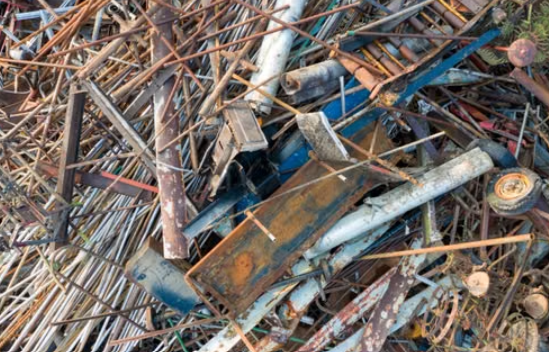
Stainless steel scrap is collected, sorted and processed to remove impurities before it is melted, refined to the required composition and cast into new products. That controlled process allows the material to return to use without losing the qualities that made it suitable for construction in the first place.
Recycling is not a shortcut around material requirements. A new product still needs to meet the grade, composition and performance requirements set by its intended use. For a builder or developer, that means recycled input should sit alongside the usual checks on product suitability, rather than replacing them.
The distinction often gets missed in early project conversations. A skip leaving site may solve a waste-management issue, but it doesn’t by itself prove the recycled content of steel purchased for the next build.
What Recycled Content Covers
A percentage without a scope is weak evidence. Research on stainless steel’s recyclability reports that stainless steel is fully recyclable and cites the British Stainless Steel Association’s estimate that stainless steel objects contain about 60% recycled content on average.
That figure applies to stainless steel, not every steel product used in construction and not every market. Structural sections, reinforcing products, cladding, fixings and fabricated components can have different supply chains, grades and production routes. A figure that applies to one product may not describe another product sitting on the same project schedule.
Ask which steel type the claim covers, which body or method sits behind the calculation, and whether the number relates to a product batch or a company-wide average. Those are ordinary procurement questions, but they prevent a stainless steel figure from being carried across to structural steel without support.
A recycled content claim also needs enough context to be useful in an environmental product declaration, often called an EPD. If a supplier can’t explain the steel type, calculation method or supporting document, the claim may still sound attractive but won’t give the project team a defensible basis for a materials decision.
Energy and Carbon
Using recycled stainless steel instead of virgin material reduces energy consumption in production. That matters because embodied carbon includes emissions associated with extracting raw materials, processing them and making construction products before a building is occupied.
The exact reduction varies with the product, plant, energy source and amount of recycled input. There isn’t a responsible single percentage to apply across every steel product, so broad carbon-saving claims deserve the same scrutiny as recycled-content claims.
For a project team, recycled input can reduce demand for virgin material and the energy tied to making it, but product documentation needs to show what is being counted.
A Policy Concern
Steel decarbonisation is no longer confined to supplier brochures or voluntary project targets. Australian government work on steel decarbonisation has included dialogue on the shared challenges and opportunities involved in reducing emissions across iron and steel supply chains.
That policy attention gives project teams a reason to ask for material evidence, rather than accepting a general statement that steel is recyclable. Recycled content, production route and supporting documents can help a team explain why it selected a product and what the claim actually covers.
This fits the wider circular economy approach, where materials remain in use instead of being treated as waste after one project. Keeping records of outgoing scrap and incoming steel products gives design and delivery teams something firmer than a broad environmental statement.
Questions for Recyclers
Before relying on a recycled-steel statement, ask the recycler or supplier questions that produce documents and clear boundaries. The first answer may be incomplete, particularly where a claim applies to a material stream rather than a finished construction product.
- Can you provide documented recycled content for the product or material stream being discussed?
- Which steel grade or product type does the percentage apply to?
- What standard, calculation method or industry source supports the figure?
- Where does the scrap enter the recovery stream, and where is it processed before becoming new material?
These questions are not paperwork for its own sake. They separate a traceable material claim from a general statement about steel’s ability to be recycled.
Where to Start
Recycled steel matters because stainless steel can remain useful through repeated recycling, but that strength can lead people to accept vague claims too readily. A stainless steel figure cannot automatically be applied to structural steel, and a recyclability claim doesn’t show the recycled content of the product specified for a project.
Treat recycled content as a documented project input rather than a marketing line. Before specifying steel on sustainability grounds, ask the supplier or recycling partner for written evidence that identifies the product, grade and basis of the claim.