Not every acne treatment deserves the shelf space it takes up. Some dry your skin out before the pimple even has a chance to heal. Others sit on the surface and do nothing you could not already see coming. There is a growing reason why more people are reaching for patches over products that have been around for decades.
The shift toward pimple patches is not just about convenience, it reflects a broader change in how people think about treating acne. Instead of applying something aggressive to a single spot, a patch works directly on the pimple with no surrounding skin affected. That targeted approach is perhaps the simplest explanation for why so many people who try them do not go back to what they used before.
When Standard Spot Treatments Start Working Against You
The Problem With One-Size-Fits-All Acne Gels: Benzoyl peroxide and salicylic acid spot treatments have been the default answer for decades. They work for some people, but the side effects are hard to ignore. Redness, flaking, and stinging are common, especially for anyone with sensitive or reactive skin. You treat one problem and often introduce three more in the process.
Overuse Is Easier Than Most People Realize: Traditional treatments come in formats that are genuinely hard to apply precisely. A gel or cream spreads past the pimple onto healthy skin that did not need treatment in the first place. Over time, that repeated exposure strips moisture and disrupts the skin barrier function, making the surrounding area more reactive and slower to recover between breakouts.
Why the Skin Around the Pimple Pays the Price: The skin directly beside a breakout is not damaged. Treating it the same as the pimple itself is counterproductive and, perhaps, a bigger contributor to persistent acne than most people realize. Drying actives pull moisture from healthy tissue and can trigger the skin to overcompensate by producing more oil. That reaction sometimes creates conditions that feed the next breakout before the current one has finished.
The Real Reason Patches Work Differently
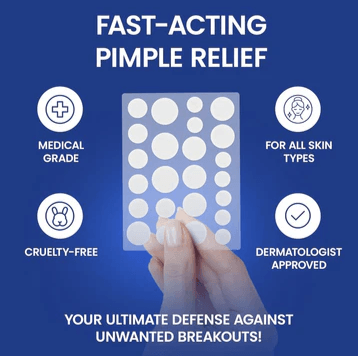
Localized Absorption That Does Not Miss Its Target: A hydrocolloid patch creates a sealed, moist environment directly over the pimple. This draws out pus, oil, and impurities without touching anything around it. The patch turns white or opaque as it fills, giving you a visible confirmation that the material is pulling buildup out of the skin. That feedback is something most spot treatments cannot offer.
Precision That Matters for Oily and Mixed Skin Types: Traditional treatments often affect tissue beyond the pimple, which slows the healing process around the area. A patch stays exactly where you place it. That precision is especially useful for anyone managing sebum overproduction in specific zones, where you need targeted treatment without disrupting skin that is already balanced and not actively breaking out.
See also: What Makes Tortilla Chips Healthy and How Healthy Tortilla Chips Are Made
What You Actually Gain by Making the Switch
The Picking Problem and How a Patch Solves It: One of the less-discussed reasons pimples take longer to heal is contact. Every time you touch, press, or pick at a breakout, you introduce bacteria and disrupt the healing tissue underneath. A patch removes that option physically. You cannot easily pick through it, which means the skin gets left alone long enough to actually improve.
Here is what that protection adds up to:
- Fewer post-breakout marks because the pimple is not aggravated during healing, which reduces the risk of lasting discoloration on the skin.
- No surrounding skin irritation since the treatment stays on the pimple and does not spread onto healthy tissue nearby.
- Consistent treatment through daily activity including gym sessions, workdays, and sleep, without the patch losing adhesion or needing reapplication.
- A visible progress signal when the patch changes color, confirming it has drawn buildup out and the process is actively working.
The Cumulative Effect of Consistent Protection: Each of these points compounds over time. A breakout that heals in two days instead of five, without picking marks or spreading irritation, leaves less trace behind. Building that habit with patches rather than spot gels is one of those small changes in a skincare routine that produces results you can actually track.
One System That Covers Every Breakout Stage
When Stage-Specific Treatment Changes the Result: Not all pimples look the same or respond to the same treatment. A surface whitehead behaves differently from a deep cystic bump that has not come to a head yet. Using one patch for every scenario is the same mistake people make with one-size-fits-all spot gels. Matching the patch to the pimple stage is the part most people overlook.
What the Microdot Patch Does That Others Cannot: A standard overnight patch works well for visible whiteheads, where strong adhesion and extended wear give the hydrocolloid time to fully absorb what is inside. For a bump still forming under the skin, a microdot patch starts treatment earlier and prevents escalation. That kind of targeted approach shortens the healing window in a way a single patch type cannot.
Gentle Enough for the Skin That Needs It Most
Why Reactive Skin Responds Better to This Approach: Skin that is already sensitive does not respond well to active ingredients like sulfur or benzoyl peroxide. The irritation they cause can compound a breakout and make the skin less able to recover. A patch delivers treatment through absorption rather than chemistry, which is a gentler mechanism for skin that tends to push back against harsher approaches.
Wear Time That Matches How Skin Heals Naturally: Healing does not happen in a single overnight session. Patches designed for extended wear, with a recommended window of 6 to 12 hours, allow the skin to move through its natural repair cycle without interruption. Applying actives multiple times a day often does more harm than consistent, gentle coverage. Patience and the right tool tend to produce better results than intensity.
Clearer Skin Starts With One Better Choice
Switching from a traditional spot treatment to a patch is a small decision that produces noticeable results faster than expected. Less irritation, less picking, and treatment that stays exactly where you put it adds up to pimples that heal more cleanly and leave less behind. Your skin does not need more aggression. It needs the right tool applied the right way. Find the patch that matches your breakout at patchtherapy.com/collections/all.