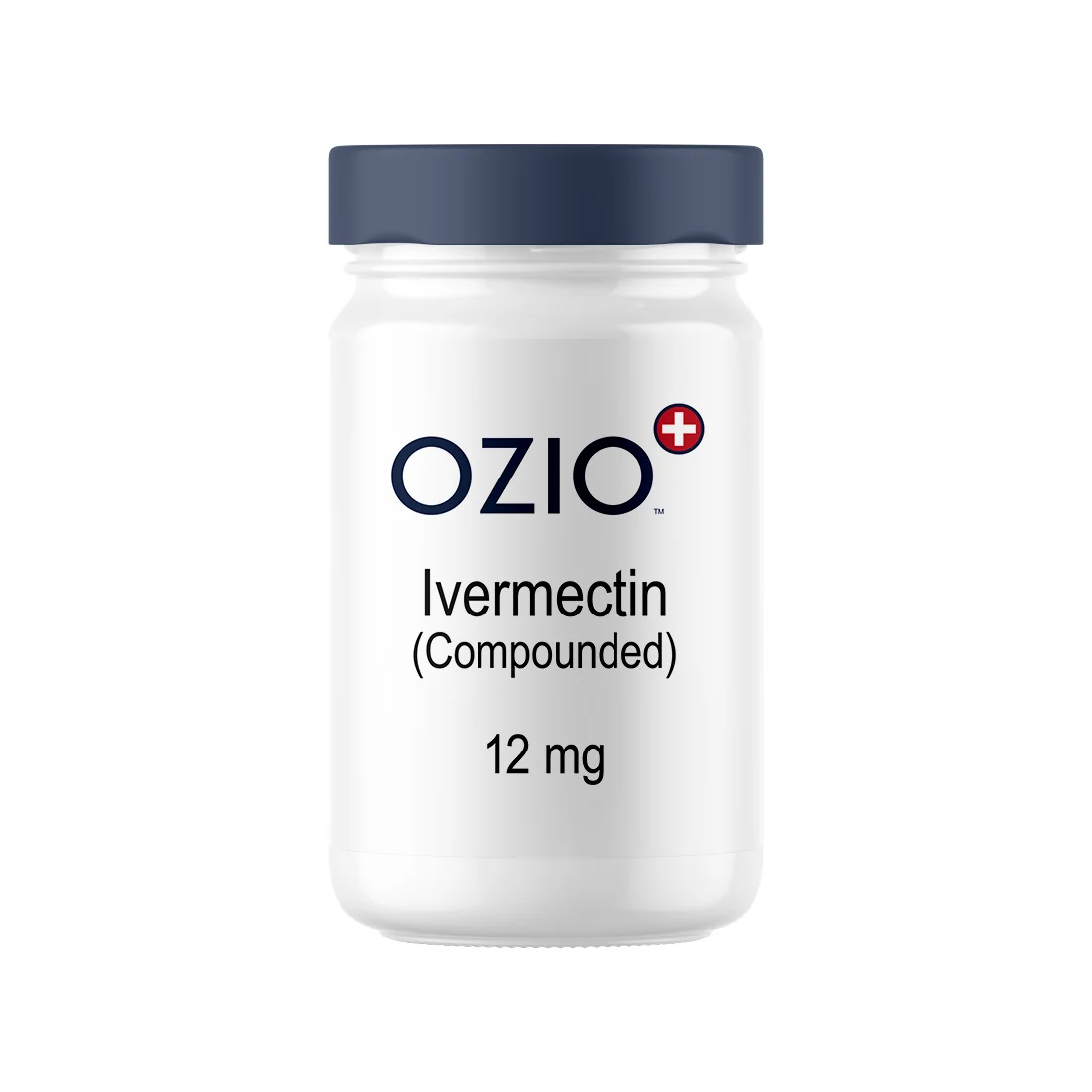

Ivermectin is a prescription medicine used for certain parasitic infections and some skin conditions, depending on the formulation. Tablets containing ivermectin are approved in the United States for specific parasitic worm infections, while topical formulations are approved for certain skin conditions and external parasites. The appropriate dose depends on the condition being treated, the patient, and the formulation prescribed.
An ivermectin 12mg compounded option refers to medication prepared by a compounding pharmacy rather than manufactured as an FDA-approved commercial product. Patients researching ivermectin 12mg compounded online can use reputable pharmacy resources to learn more about available formulations, while discussing the specific medication with their prescriber or pharmacist before use. Understanding how compounded medicines differ from commercially manufactured products can help patients make informed decisions about their treatment.
What Does “12mg” Mean?
The “12mg” refers to the amount of ivermectin contained in the prescribed dose or dosage unit, depending on how the compounded medicine is prepared. It does not mean that 12mg is an appropriate dose for every person or every condition.
Ivermectin dosing is not determined by the tablet strength alone. A healthcare professional may consider factors such as body weight, diagnosis, other medicines, age, medical history, and the intended treatment schedule before prescribing it.
Patients should follow the exact instructions on their prescription. Taking additional tablets because a certain strength is available, changing the schedule, or combining ivermectin products without medical advice can increase the risk of adverse effects.
Why Are Some Ivermectin Products Compounded?
Compounding allows a licensed pharmacy to prepare a medication in a form or combination that meets a specific patient need. FDA explains that compounded medicines may be appropriate when an FDA-approved medication cannot meet a patient’s medical requirements, such as when a patient needs a different dosage form or has an allergy to an inactive ingredient.
For example, a prescriber may determine that a particular compounded formulation is medically appropriate because of a patient’s individual circumstances. The decision should be based on a specific prescription and professional assessment rather than simply choosing a compounded product because it appears easier to obtain.
Compounded medicines are different from generic drugs. Generic medications go through the FDA approval process, while compounded drugs are not FDA-approved.
How Compounded Ivermectin Differs From Commercial Products
A commercially manufactured medicine has an established formulation, labeling, manufacturing process, and regulatory review. A compounded preparation is made by a pharmacy or other authorized compounder according to applicable requirements.
That difference matters because compounded medicines do not undergo FDA premarket review for safety, effectiveness, or quality. The FDA has also warned that poor compounding practices can result in contamination or incorrect amounts of active ingredients.
The pharmacy’s preparation method, ingredients, dosage form, labeling, storage requirements, and beyond-use date can therefore vary from one compounded prescription to another.
Patients should read the dispensing label carefully and ask the pharmacist about anything that is unclear.
What Conditions Is Ivermectin Used For?
Human ivermectin has established uses for certain parasitic infections. FDA-approved oral ivermectin tablets are indicated for conditions including strongyloidiasis and onchocerciasis. Some topical ivermectin products have different approved uses, including treatment of head lice or certain skin conditions.
The formulation matters. An oral tablet should not automatically be treated as interchangeable with a topical product, and an animal ivermectin product should never be substituted for a human prescription.
Ivermectin has also received attention for uses that are not FDA-approved. Patients should not assume that online claims or anecdotal reports establish that a medicine is safe or effective for a particular condition. For example, FDA states that ivermectin is not authorized or approved for preventing or treating COVID-19.
Safety Considerations Before Taking Ivermectin
A prescription for ivermectin should be used according to the directions provided by the prescriber. Taking more than prescribed can cause serious problems.
Reported effects associated with excessive ivermectin exposure can include nausea, vomiting, diarrhea, low blood pressure, dizziness, balance problems, seizures, coma, and, in severe cases, death. Ivermectin can also interact with other medicines, including some blood-thinning medications.
Patients should provide their healthcare professional with a complete list of prescription medicines, over-the-counter products, and supplements they use. This information can help the prescriber assess potential interactions and determine whether ivermectin is appropriate.
Pregnancy, breastfeeding, liver problems, allergies, and other medical circumstances may also affect prescribing decisions. These issues should be discussed directly with a qualified healthcare professional.
Questions to Ask About a Compounded Prescription
A patient receiving compounded ivermectin can ask the prescriber or pharmacist several practical questions:
What is the medication being prescribed for?
Knowing the intended use helps prevent confusion about the treatment and expected results.
Why is a compounded version being used?
The prescriber should be able to explain the medical reason for choosing a compounded formulation.
What exactly does each dosage unit contain?
Confirm the ivermectin strength and the amount to take at each scheduled dose.
How should it be stored?
Some compounded preparations may have specific storage requirements. Follow the pharmacy’s instructions rather than assuming the product can be stored like another medication.
What should I do if I miss a dose?
The answer can depend on the prescribed treatment schedule, so patients should ask their pharmacist or prescriber instead of doubling the next dose.
What side effects require medical attention?
Understanding warning signs before starting treatment can make it easier to respond appropriately if a problem occurs.
Choosing a Pharmacy Requires Care
Obtaining a compounded medication from an unknown online source can create additional risks. FDA advises consumers to research online pharmacies and be cautious about unlicensed or unregulated sources. Patients may otherwise have difficulty determining who actually compounded the medication and whether appropriate quality standards were followed.
A legitimate pharmacy should provide clear information about the prescription, labeling, pharmacist support, and applicable licensing or regulatory oversight. Patients can also ask where the medication was compounded and who they can contact with questions about the preparation.
Price alone should not determine the choice of pharmacy. A lower-cost product is not necessarily equivalent to a properly prepared prescription from a regulated pharmacy.
Why Accurate Dosing Matters
Ivermectin should not be treated as a medication where taking more is likely to provide better results. The FDA specifically warns that large doses can be dangerous.
The 12mg strength may be appropriate for a particular prescription, but the strength itself does not establish that the medication is suitable for everyone. Patients should never adjust their dose based on information found on social media, forums, or websites offering generalized dosing advice.
Compounded medicines can also have different concentrations, dosage forms, and instructions. Reading the pharmacy label and confirming the directions with the pharmacist can reduce the chance of a dosing mistake.
Making an Informed Decision
An ivermectin 12mg compounded prescription may have a place in treatment when a healthcare professional determines that a compounded formulation meets a specific medical need. It should not be viewed as automatically equivalent to an FDA-approved commercial product.
Patients can protect themselves by using a valid prescription, obtaining the medication through a properly regulated pharmacy, checking the label carefully, and discussing other medicines and health conditions with their healthcare provider.
The safest choice depends on the diagnosis, the patient’s individual circumstances, the reason for compounding, and the quality controls surrounding the preparation. A pharmacist or prescriber can explain why a particular formulation and strength were selected and how it should be used.