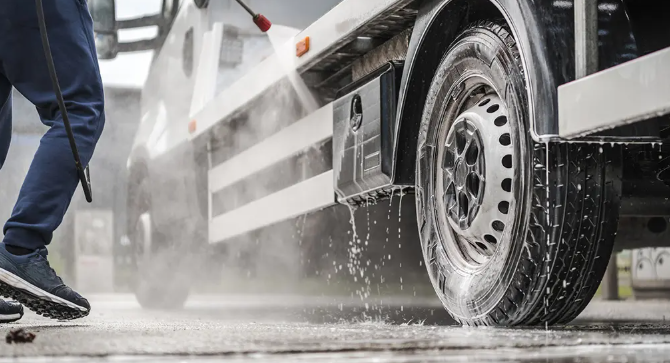

Truck detailing is a specialized form of vehicle cleaning and restoration that goes far beyond a standard car wash. It focuses on deep cleaning, reconditioning, and protecting every part of a truck—inside and out—to restore its appearance, improve longevity, and maintain value. Whether used for commercial hauling, logistics, construction, or personal transport, trucks endure heavy use and harsh conditions, making regular detailing an important part of maintenance.
At its core, truck detailing is about precision and care. Unlike a quick wash that removes surface dirt, detailing targets contaminants that build up over time, including grease, tar, road salt, brake dust, and industrial grime. These substances can damage paint, corrode metal, and degrade interior materials if left untreated. Detailing addresses these issues systematically, using specialized tools, cleaners, and techniques.
Exterior Truck Detailing
Exterior detailing is often the most visible part of the process. It begins with a thorough wash designed to loosen and remove dirt without scratching the surface. Detailers typically use a two-bucket wash method or foam cannons to minimize friction and prevent swirl marks. High-quality, pH-balanced soaps are used to protect paint while lifting contaminants.
After washing, decontamination is performed. This may include using a clay bar to remove embedded particles such as industrial fallout or tree sap that cannot be removed through normal washing. For heavy-duty trucks, especially those used in construction or long-haul transport, this step is essential because their surfaces are exposed to far more pollutants than typical passenger vehicles.
Once the surface is clean and smooth, paint correction may be performed. This involves polishing the truck’s exterior to remove scratches, oxidation, and swirl marks. Machine polishers and specialized compounds are used to restore gloss and clarity to the paint. In professional detailing, this step can dramatically improve the truck’s appearance, making even older vehicles look nearly new.
Protection is the final stage of exterior detailing. Wax, sealants, or ceramic coatings are applied to create a protective barrier against UV rays, moisture, dirt, and chemical contaminants. Ceramic coatings, in particular, have become popular due to their long-lasting durability and hydrophobic properties, which make water and dirt slide off the surface more easily.
See also: How Wireless Technology Has Advanced
Wheels, Tires, and Undercarriage
Truck wheels and tires require special attention due to constant exposure to brake dust, mud, and road debris. Detailers use strong but safe cleaners to break down buildup on rims and tires. In many cases, agitation tools such as brushes are used to reach tight areas around lug nuts and spokes.
Tire dressing is often applied after cleaning to restore a deep black finish and protect rubber from cracking or fading. For commercial trucks, maintaining clean wheels is not only aesthetic but also helps identify potential issues such as brake wear or leaks.
The undercarriage is another critical area, especially for trucks that operate in snowy or off-road conditions. Salt and grime can accumulate underneath the vehicle, leading to rust and corrosion over time. Professional detailing often includes pressure washing the undercarriage to remove harmful residues and extend the truck’s structural lifespan.
Interior Truck Detailing
The interior of a truck, especially one used for commercial purposes, can experience significant wear and tear. Interior detailing focuses on deep cleaning all surfaces, including seats, dashboards, floor mats, and cargo areas.
The process usually starts with vacuuming to remove loose dirt and debris. High-powered vacuums with specialized attachments are used to reach under seats and into tight spaces. After vacuuming, surfaces are cleaned using appropriate products based on material type—fabric, leather, vinyl, or plastic.
For fabric seats and carpets, steam cleaning or hot water extraction may be used to remove stains, odors, and deep-seated dirt. Leather surfaces are cleaned with gentle solutions and then conditioned to prevent cracking and maintain softness. Plastic and vinyl components are wiped down and treated with UV protectants to prevent fading and brittleness.
Cabin odor removal is another important aspect. Trucks, especially those used for long hours on the road, can develop persistent smells from food, sweat, smoke, or cargo materials. Detailing may include ozone treatment or specialized deodorizing agents to neutralize odors rather than just masking them.
Engine Bay Detailing
Although often overlooked, engine bay detailing is an important part of comprehensive truck care. A clean engine bay makes it easier to spot leaks, worn belts, or damaged components. The process involves carefully degreasing and cleaning the engine compartment using low-pressure water and safe cleaning agents. Sensitive electrical components are protected during the process to avoid damage.
Once cleaned, plastic and rubber parts in the engine bay are often dressed with protective products to prevent drying and cracking. This not only improves appearance but also helps extend the life of engine components.
Benefits of Truck Detailing
Regular truck detailing offers several practical benefits beyond aesthetics. One of the most significant is vehicle preservation. By removing corrosive substances and protecting surfaces, detailing helps prevent long-term damage that can be expensive to repair.
Another benefit is improved resale value. A well-maintained truck with a clean interior and polished exterior is far more attractive to buyers. It signals that the vehicle has been cared for properly, which can justify a higher price in the used market.
For commercial fleets, detailing also contributes to brand image. Clean, well-maintained trucks reflect professionalism and reliability, which can positively influence customer perception. In industries where trucks are visible to the public, appearance can be as important as performance.
Driver comfort and health are additional advantages. A clean cabin reduces allergens, dust, and bacteria, creating a healthier working environment for drivers who spend long hours on the road. This can improve morale and reduce fatigue.
Professional vs. DIY Truck Detailing
Truck owners often face the choice between professional detailing services and doing it themselves. Professional detailers bring expertise, specialized equipment, and high-quality products that can achieve superior results, especially for large or heavily used trucks. However, professional services can be costly, particularly for full detailing packages.
DIY detailing, on the other hand, is more budget-friendly but requires time, effort, and knowledge of proper techniques. Using incorrect products or methods can lead to damage, such as scratched paint or stripped protective coatings. For best results, many truck owners combine both approaches—performing regular basic cleaning themselves and scheduling professional detailing periodically.
Conclusion
Truck detailing is a comprehensive maintenance process that plays a vital role in preserving the appearance, functionality, and value of trucks. From exterior washing and paint correction to deep interior cleaning and engine care, each step contributes to the overall condition of the vehicle. Whether for personal use or commercial operations, investing in regular detailing ensures that trucks remain reliable, presentable, and protected against the harsh conditions they often face.