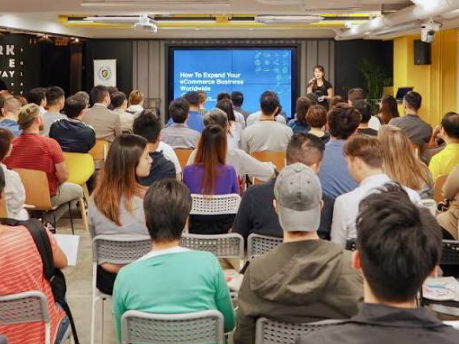

Conferences bring together professionals, industry specialists, organisations and audiences to exchange ideas and discuss important developments. A successful conference requires more than a suitable room and a list of speakers. It depends on careful planning, technical coordination, clear communication and a well-managed experience for attendees.
In a busy international business environment such as Hong Kong, conference production may also involve multilingual audiences, overseas speakers and participants joining remotely. Organisers need a structured approach to bring all these elements together.
Start With Clear Conference Objectives
Every conference should have a defined purpose. Some events focus on education and professional development, while others introduce products, share research or encourage business networking.
The purpose influences the programme, speaker selection, venue layout and production requirements. For example, a conference with several panel discussions may need multiple microphones and flexible stage arrangements. A presentation-focused event may require larger screens and carefully planned audiovisual support.
Organisers should establish measurable objectives early. These may include attendee participation, knowledge sharing, networking opportunities or communication of a particular message.
Develop a Practical Programme
A clear programme helps speakers, organisers and attendees understand how the event will progress. It should include session timings, breaks, speaker introductions and any interactive activities.
When creating the schedule, allow enough time for presentations and transitions. Overloading the programme can make the experience tiring and increase the likelihood of delays.
For conferences with several speakers, collect presentation materials and technical requirements in advance. Confirm the order of sessions and establish a process for handling last-minute changes.
Select a Suitable Venue
Venue selection influences attendance, comfort and production quality. Organisers should consider location, transport connections, seating capacity and accessibility.
The room layout should support the conference format. Theatre-style seating may suit large presentations, while classroom or round-table arrangements can encourage participation.
Technical facilities are equally important. Check the availability of screens, microphones, speakers, lighting, internet access and suitable power connections.
A site visit can help organisers understand the room’s dimensions and identify potential limitations before the event.
Coordinate Audiovisual Production
Technical production is central to many conferences. Presentations, videos, live demonstrations and remote speakers all depend on reliable equipment and preparation.
A production checklist should cover:
- Display screens and presentation equipment.
- Microphones and sound systems.
- Stage lighting and speaker visibility.
- Internet connectivity.
- Video recording or livestreaming.
- Backup equipment and technical support.
Testing should take place before attendees arrive. Speakers should also have an opportunity to check their slides, microphones and presentation format.
Plan for Hybrid and Remote Participation
Hybrid conferences allow people to participate in person or online. They can increase reach, but they also introduce additional technical and coordination requirements.
Remote participants need clear audio, stable video and an accessible way to follow the programme. Online speakers should receive joining instructions and technical guidance in advance.
Organisers should also consider how questions and discussions will be managed across in-person and remote audiences. A moderator can help ensure that both groups have opportunities to participate.
Manage Registration and Attendee Communication
A well-organised registration process creates a positive first impression. Attendees should receive clear information about the venue, programme, arrival time and any requirements for entry.
On the event day, signage and registration staff can help people find the correct rooms and sessions. Name badges and printed or digital schedules may also support networking.
For international audiences, organisers should consider language requirements and provide essential information in a format that attendees can easily understand.
Prepare for Unexpected Situations
Even carefully planned conferences can experience changes. A speaker may arrive late, equipment may stop working or attendance may differ from expectations.
A contingency plan should identify important risks and establish who will respond to each situation. Backup presentation files, spare microphones and alternative communication arrangements can reduce disruption.
Clear responsibilities among the organising team help decisions happen quickly.
Measuring Conference Success
After the conference, organisers can review attendance, participant feedback, session engagement and delivery against the original objectives.
Feedback forms can identify what worked well and which areas need improvement. Technical performance, scheduling and registration processes should also be reviewed.
A post-event report can help organisations plan future conferences more effectively.
Exploring Professional Conference Production
Organisations seeking conference production hong kong can review conference management services and consider how planning, production and on-site coordination fit their requirements. Discussing the programme, audience size and technical needs early can help establish a suitable production plan.
Frequently Asked Questions
1. What does conference production include?
It can include programme coordination, audiovisual equipment, stage management, lighting, registration support and on-site technical assistance, depending on the agreed scope.
2. How early should conference planning begin?
The timeline depends on the event’s size and complexity. Larger conferences often require more preparation for speakers, venues, suppliers and technical arrangements.
3. What makes a hybrid conference successful?
Reliable technology, clear audio and video, accessible online participation and effective moderation help create a connected experience for both in-person and remote attendees.
Conclusion
Successful conference production combines programme planning, venue selection, technical preparation and attendee coordination. Organisers who define their objectives and prepare for practical challenges can create a more consistent experience. Reviewing feedback after the event also helps improve future conferences and strengthen organisational planning.