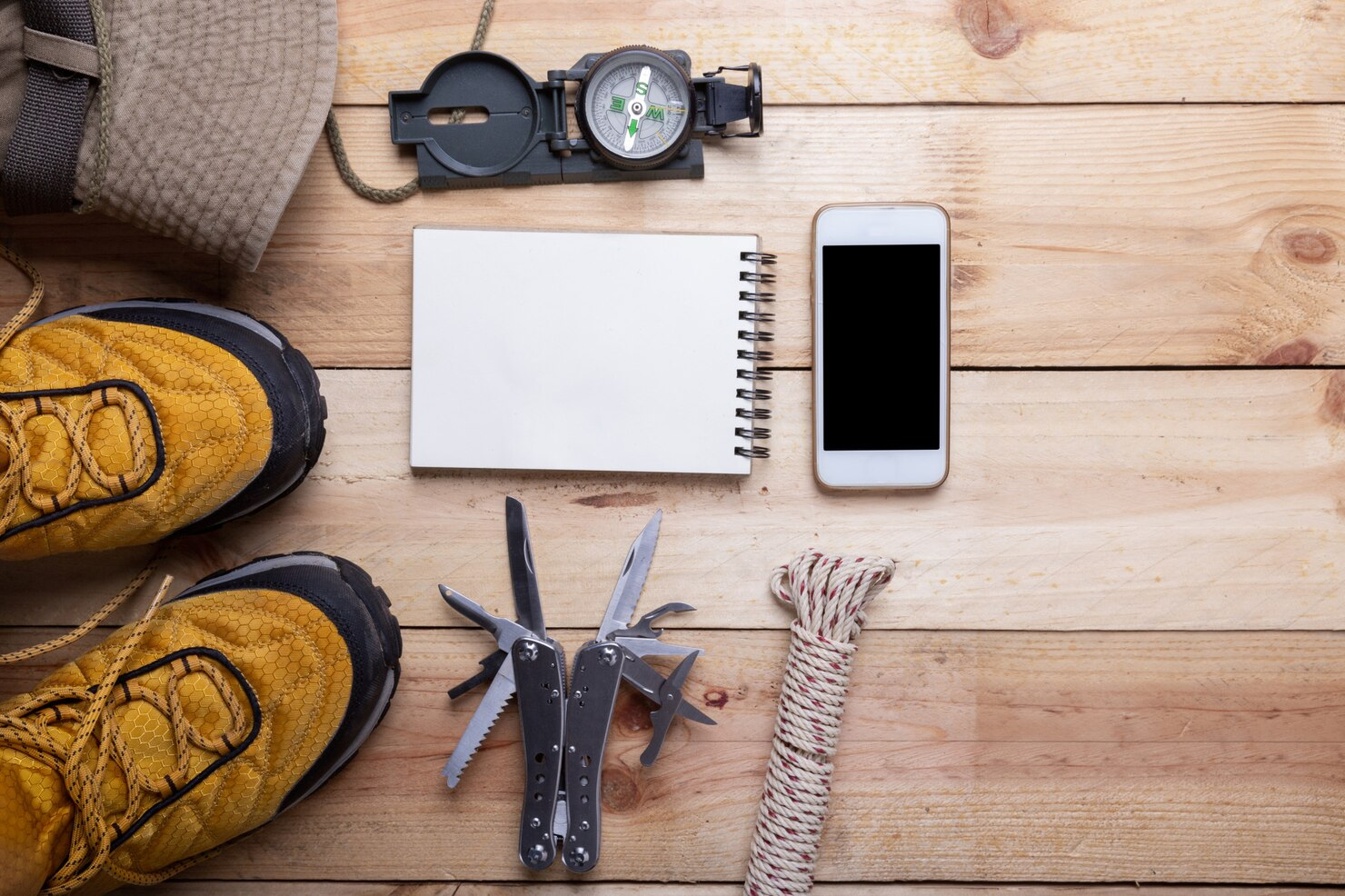

Modern camping is no longer limited to a tent, sleeping bag, and a basic cooking set. While many outdoor enthusiasts still appreciate the simplicity of traditional camping, today’s technology has introduced a wide range of smart tools designed to make time in nature more comfortable, efficient and enjoyable. The right equipment can reduce unnecessary effort, simplify repetitive tasks, and help campers spend more time exploring their surroundings instead of dealing with avoidable inconveniences. From portable power solutions and compact cooking devices to advanced lighting and water filtration systems, smart camping tools are becoming increasingly useful for people who want to combine outdoor adventure with practical convenience.
Portable Power for a More Efficient Campsite
Reliable access to power can make modern camping considerably easier, particularly for people who spend several days away from conventional electrical outlets. Portable power stations, compact solar panels and rechargeable battery packs allow campers to keep essential devices operational without relying entirely on a vehicle or fixed campsite infrastructure. Smartphones can be used for navigation and communication, while rechargeable lanterns, cameras and other useful electronics can remain available throughout a trip. Solar charging systems are particularly attractive for longer adventures because they can replenish compatible batteries during daylight hours, although their effectiveness depends on weather conditions and available sunlight. A smart approach is to determine which devices genuinely need electricity before leaving home and calculate how much capacity is required.
Smart Cooking Equipment Saves Time
Food preparation is one of the campsite activities where efficient equipment can make a particularly noticeable difference. Traditional outdoor cooking can be enjoyable, but it may also involve collecting fuel, managing heat, and cleaning several pieces of equipment. Modern camping cookware and compact cooking systems are designed to simplify these processes. Lightweight stoves can provide controlled heat quickly, integrated pots and pans can reduce the amount of equipment that needs to be packed, while a folding knife can save you tons of space. Some cooking systems are designed so that components fit together for easier transportation, helping campers save valuable space. Insulated containers can also keep meals and drinks at a desirable temperature without requiring constant reheating.
Lighting and Navigation Technology
Good lighting and dependable navigation tools can make outdoor trips safer and more convenient, particularly when activities continue after sunset. Modern headlamps are a useful example because they allow campers to illuminate their surroundings while keeping both hands free. Adjustable brightness settings can help conserve battery power, while different lighting modes can accommodate tasks ranging from preparing food to walking around a campsite. Lanterns with rechargeable batteries can provide broader illumination for communal areas, and some models offer timers or automatic shutoff functions that prevent unnecessary energy consumption. Navigation technology has also developed significantly. GPS devices and smartphones can provide maps, route information, and location data, although relying exclusively on electronic navigation can be risky if batteries run out or devices become damaged.
Water, Comfort and Multi-Use Gear
Access to clean drinking water and basic comfort are two other areas where smart camping equipment can save substantial effort. Portable water filters and purification systems allow campers to treat water from appropriate natural sources when conditions and local guidance permit, reducing the amount of water that must be carried from the beginning of a trip. Compact filtration devices can be particularly useful for hikers because they may significantly reduce pack weight on longer journeys. However, campers should understand the limitations of their chosen system and know whether it addresses bacteria, parasites, viruses or chemical contaminants. Comfort can also be improved through lightweight, multifunctional equipment. Compact camping chairs, inflatable sleeping pads and quick-setup shelters can reduce the physical effort involved in establishing a comfortable campsite. Multi-use tools can serve several legitimate purposes without requiring campers to carry numerous separate items. The principle behind all of these products is simple: equipment should earn its place in the pack.
Campers should consider the environment, length of the trip, weather conditions, and their individual needs before deciding what to pack. They should also maintain traditional outdoor skills and carry appropriate backup equipment whenever technology could fail. By combining practical knowledge with carefully chosen innovations, modern campers can create a more efficient and comfortable experience while preserving the sense of adventure that makes time outdoors so rewarding.