
Choosing an engagement ring is one of the most meaningful decisions in the journey toward marriage. While it may seem like a straightforward process at first, the reality is that an engagement ring carries emotional weight far beyond its physical form. It is not simply a piece of jewelry, but a symbol of commitment, shared experiences, and the future two people intend to build together. Because of this, selecting the right ring requires more than just aesthetic preference—it involves thoughtful consideration of what the relationship represents.
One of the first aspects to consider is personal style. An engagement ring should feel like a natural extension of the person wearing it. Some individuals prefer timeless, understated designs that emphasize simplicity and elegance, while others are drawn to more intricate or unconventional styles. Understanding these preferences is essential, as the ring is something that will be worn daily and should feel comfortable and authentic. Paying attention to the types of jewelry already worn can often provide valuable insight into what will resonate most.
The choice of gemstone plays a central role in defining the ring’s character. While diamonds have long been associated with engagement rings due to their durability and brilliance, they are no longer the only option. Many couples are now exploring alternative gemstones that offer unique visual qualities and deeper personal meaning. Moss agate rings, for example, have become increasingly popular for their natural, one-of-a-kind patterns that evoke a sense of connection to the earth. These types of choices allow couples to move beyond tradition and select something that feels more aligned with their story.
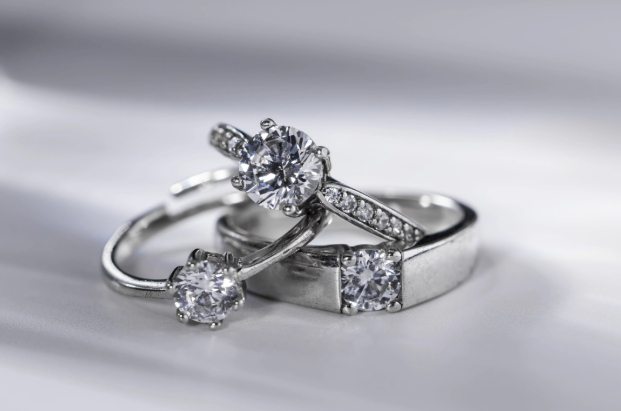
Equally important is the setting of the ring. The setting not only affects the overall appearance but also influences how the gemstone is protected and displayed. Some people prefer a classic solitaire setting, which highlights a single stone and offers a clean, elegant look. Others may choose more detailed settings that incorporate additional stones or decorative elements, adding depth and complexity to the design. The right setting should complement the gemstone while also aligning with the wearer’s lifestyle.
See also: Vacation Rentals or Hotels: Which One is Best for You?
Metal selection is another key factor. Different metals offer distinct aesthetics and levels of durability. Platinum is known for its strength and resistance to wear, making it an excellent choice for everyday use. Gold, in its various forms—yellow, white, and rose—provides a range of tones that can suit different styles. The metal should not only enhance the overall design but also feel comfortable and suitable for long-term wear.
Practical considerations should not be overlooked. An engagement ring is typically worn every day, so it needs to be both durable and comfortable. The design should take into account the wearer’s daily activities, ensuring that the ring can withstand regular use without excessive wear or damage. This might mean choosing a lower-profile setting or a more secure design, depending on the individual’s lifestyle.
Budget is also an important consideration, but it should not overshadow the meaning behind the ring. Traditional guidelines about how much to spend are becoming less relevant, as couples prioritize financial comfort and long-term stability. The value of an engagement ring lies in what it represents, not its price tag. Finding a balance between quality, design, and affordability ensures that the ring feels both meaningful and practical.
Ultimately, choosing an engagement ring is about capturing the essence of a relationship. It is an opportunity to create something that reflects shared values, personal style, and the unique journey two people have taken together. When approached thoughtfully, the process becomes more than just a purchase—it becomes a meaningful step toward a shared future.