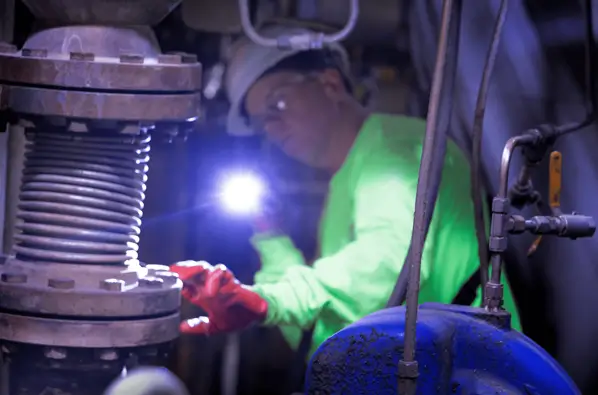

The issue of structural fatigue may lead to early aging of machines used in industrial settings, higher costs for repair, and unsafe working conditions. Vibrations generated by rotating parts that run at different loads tend to generate vibrations that result in weakening of the framework. Techniques for dynamic balancing provide organizations with tools to identify and fix problems with their machinery to prevent any further damage. By keeping their equipment well-balanced while in use, businesses can uphold their performance levels and reduce strain on their mechanical devices.
Understanding the Relationship Between Vibration and Fatigue
Structural fatigue is caused slowly by movements, causing pressure within the machine’s components. A slight imbalance within the rotating component causes a constant vibration that can spread to other systems attached to it. Slowly, the machine’s shafts, bearings, supports, and bolts show wear. Metal components exhibit cracks, while loose connections cause a decrease in structural stability.
Active balancing is aimed at identifying the imbalance caused by unequal weights within the rotating components and adjusting for this problem before vibration occurs. Experts employ special equipment that measures how the machine vibrates while operating. It makes it easier to locate the source of the imbalance and its extent. After rectification, the machine can operate freely without being under too much mechanical pressure.
See also: Why Business Coaching Matters For First-Time Entrepreneurs
Improving Operational Efficiency Through Precision Balancing
Balanced machines function more accurately as all the moving parts are aligned. Extra vibration makes the machine’s motor and its system utilize extra power while in use. This means that companies can incur extra utility expenses and low productivity rates.
Dynamic adjustment techniques increase efficiency by minimizing rotational motion. The correct active balancing of the fan, turbine, pump, and motor needs less adjustment power when working. With minimum friction, there is no excessive production of heat. Additionally, employees have quieter workplaces due to less vibration noise.
Conditioning Equipment for Optimum Life Expectancy
Balancing machinery using inspections on a regular basis helps maintain its durability. Machinery that is continuously subjected to vibrations usually ends up developing faults in the bearings, couplings, and shaft alignments due to excessive vibrations. Balancing helps prevent these problems by ensuring stability.
Apart from monitoring the lubricant level, vibration analysis can also be conducted together with other factors like temperature and alignment. Organizations that invest in dependable balancing services that support condition monitoring programs often extend equipment service life while reducing emergency shutdowns. Consistent balancing schedules play a valuable role in preserving both productivity and mechanical durability.
Enhancing Workplace Safety with Reduced Mechanical Stress
An imbalance in the machinery not only presents operational issues; the high level of vibration may cause bolts to become loose, deteriorate support structures, and lead to equipment failure. If the damage is extensive, it could also cause danger to those working around the machines.
The application of dynamic balancing techniques contributes to better safety within the workplace. Balanced machines do not generate additional pressure on their support structures, thus minimizing the risk of cracks or any sudden movements. Workers who operate around these machines are not easily distracted by vibrations and sounds.
Supporting Long-Term Cost Control and Asset Protection
Fatigue is one of the reasons why repairing an asset is costly, since it affects multiple parts of the equipment. Imbalance can cause problems with bearings, seals, couplings, and even with the asset’s supporting structures. Failure to take proper action will only increase the cost of replacing parts.
Dynamic adjustment becomes a preventative measure that protects equipment from wearing out faster than expected. By identifying potential imbalances at an early stage, engineers have time to fix any small problems before a bigger issue occurs. Such a preventative approach reduces the cost of replacements and ensures that assets do not require unscheduled maintenance. Moreover, balanced equipment helps preserve asset value.
Balancing techniques contribute immensely to preventing structural fatigue in industrial settings. These approaches are vital for ensuring the prevention of structural fatigue since they assist in minimizing vibrations, increasing efficiency, improving equipment conditioning, promoting safety, and minimizing costs. Firms that consider balancing techniques stand to enjoy increased reliability and longevity of their machines. It is imperative to emphasize that constant vigilance ensures safe, effective, and reliable machine operations.