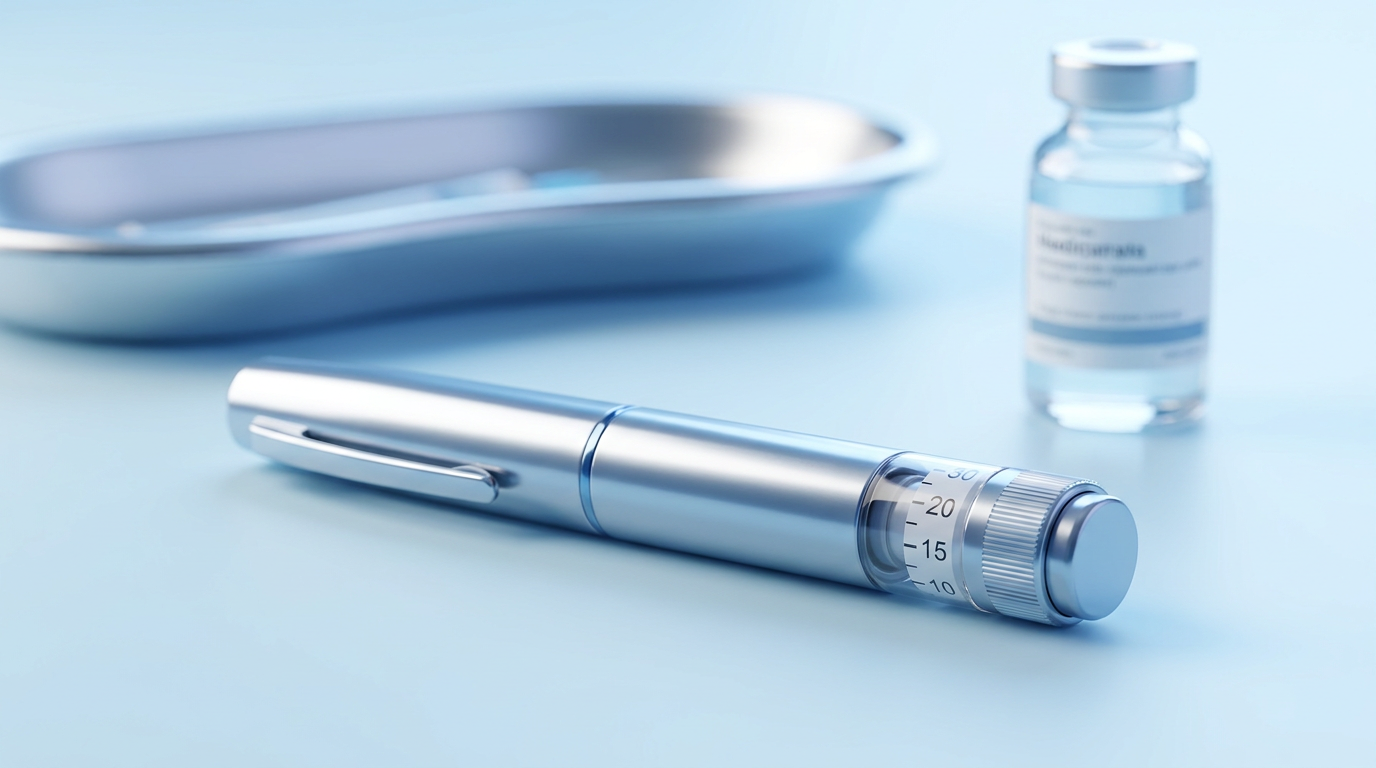

In the United States, call Poison Control at 1-800-222-1222 right away if too much tirzepatide has been injected, and call 911 or go to an emergency department for repeated vomiting, fainting, confusion, or inability to keep fluids down. The earliest signs are gastrointestinal: nausea, vomiting, diarrhea, and abdominal cramping that build over hours.
Make the call before symptoms decide for you
Poison Control answers 24 hours a day at 1-800-222-1222, the line is free, and the specialists who staff it handle medication errors constantly. They take the details of what was injected and when, and they say whether the situation can be watched at home with a scheduled call back or needs a facility. Waiting to see whether symptoms develop wastes the part of the window where that decision is easiest to make.
The manufacturer labeling for tirzepatide points the same direction. Its overdosage section directs readers to the Poison Help line or a medical toxicologist, describes management as supportive treatment matched to the patient’s signs and symptoms, and notes that observation and treatment may need to continue for a while given a half-life of roughly five days. There is no antidote to give and nothing at home that reverses an injected dose.
What the first hours generally look like
A retrospective cohort drawn from three poison centers looked at exposures to GLP-1 and dual GIP/GLP-1 receptor agonists that were managed at a healthcare facility. Among the symptomatic patients, nausea was reported in 92 percent and vomiting in 76 percent. Most clinical effects lasted 8 to 24 hours, and treatment was mostly intravenous fluids and antiemetics. Hypoglycemia appeared in 9 percent, even after cases involving a co-ingested medication known to drop glucose were excluded.
That is the shape of the typical presentation: heavy gastrointestinal symptoms, fluid loss, and a supportive course. A single-center review of 237 poison center calls involving this drug class found most exposures came from unintentional therapeutic errors, and the annual count rose sharply across the study period.
Features that change where the case belongs
| Presenting feature | What it reflects | Where it is usually handled |
|---|---|---|
| Nausea and vomiting | The dominant effect in emergency department series | Poison Control triages between home observation and a facility |
| No fluids staying down | Volume depletion, the path to kidney injury in this class | Emergency department |
| Severe abdominal pain boring through to the back | The presentation associated with pancreatitis | Emergency department |
| Swollen abdomen, no gas or stool passing | Stalled gut motility, reported as prolonged ileus after overdose | Emergency department |
| Sweating, shaking, or confusion in someone also on insulin or a sulfonylurea | Combination hypoglycemia risk | 911 for severe symptoms, urgent contact otherwise |
| Symptoms still running after several days | Long half-life, exposure persists | Prescriber follow-up, emergency department if worsening |
Low blood sugar is mostly a combination problem
Tirzepatide labeling carries a specific warning about hypoglycemia when the drug is used alongside insulin or an insulin secretagogue such as a sulfonylurea, including severe hypoglycemia, and notes that lowering the other medication may be needed. That is a prescriber decision made in advance, not something to improvise. A published case series of three unintentional semaglutide overdoses at initiation found nonspecific gastrointestinal symptoms in all three and hypoglycemia in none, which fits the glucose-dependent mechanism, but the combination scenario is different and the emergency department cohort still recorded lows in a meaningful minority.
A case report described a man in his thirties with no significant other conditions who developed life-threatening hypoglycemia, severe electrolyte disturbance, pancytopenia, and aspiration pneumonia after unsupervised rapid escalation of tirzepatide taken for weight loss, followed by septic shock, mechanical ventilation, and prolonged rehabilitation. Severe outcomes are uncommon, and they are not theoretical.
Why the clock runs in days
Population pharmacokinetic modeling built from 19 pooled studies put the half-life of tirzepatide at about five days, which is what makes once-weekly administration work. After an overdose the same property means symptoms do not clear on the schedule people expect from a bad meal or a stomach bug. A published case described a woman with type 2 diabetes and bulimia nervosa who injected escalating amounts on three consecutive days and developed paralytic ileus that took three weeks of conservative hospital management to resolve, with no mechanical obstruction found.
Before that stage, the simplest safeguard is knowing the exact strength being injected, and sources differ in how plainly they state it. Lilly’s own materials list the approved brand presentations, while several online prescribers, Ro and Henry Meds among them, run explainer pages of their own; HealthRX, for instance, sets out tirzepatide strengths a reader can note before drawing a dose. The number still has to match the label on the actual vial.
How these events actually happen
Very little of this involves reckless behavior. The recurring patterns are dull and preventable: mixing up the strength used to start treatment with the higher strength used later, drawing from a multi-dose vial with a syringe instead of using a fixed-dose device, a compounded preparation whose concentration differs from what the patient assumed, a second injection given after confusion about a missed one, and someone injecting from a pen that belongs to another person. Tirzepatide labeling now carries an explicit instruction never to share a pen between patients.
Compounded products deserve their own line. They are not FDA-approved, concentration is not standardized across pharmacies, and a poison control center case series specifically documented administration errors involving compounded semaglutide. A pharmacovigilance analysis of adverse event reports involving compounded GLP-1 products found that dosing and administration problems made up a large share of what was reported. Two vials that look identical can hold different amounts per unit of volume.
Where supervised prescribing fits after the episode
Once the acute event is over, the question becomes who manages the medication from that point. A primary care or endocrinology practice has an existing chart and a nurse line. Manufacturer channels such as LillyDirect route clinical questions back to the prescriber who wrote the order. Telehealth services including Ro, Hims & Hers, LifeMD, and FormBlends differ in response time, in whether the same clinician sees a case twice, and in whether the concentration of a compounded preparation is stated plainly. Those differences matter more after a dosing error than any monthly price comparison does.
Frequently asked questions
Is there anything to take at home to counteract an extra injection?
No. There is no antidote for tirzepatide, and nothing taken by mouth removes a drug already injected under the skin. Labeling describes management as supportive care matched to symptoms. The action that changes the outcome is calling Poison Control at 1-800-222-1222 and following the instructions given.
How long should symptoms be watched?
Longer than most people assume. With a half-life near five days, exposure tails off across days rather than hours, and labeling specifically mentions that observation and treatment may need to continue with that in mind. Poison Control sets the follow-up interval and calls back rather than leaving the timing to guesswork.
Do most of these cases end badly?
Most do not. Poison center data show that the large majority of reported exposures involve no effect or mild effects, and hospital series describe supportive treatment with fluids and antiemetics. That statistic describes a population, not the person in front of you, which is why triage happens by phone with a specialist.
Does it matter whether the product was compounded?
It matters a great deal. Compounded tirzepatide is not FDA-approved and concentration varies by pharmacy, so the amount delivered by a given volume is not standardized. Treating clinicians ask for the pharmacy label and the stated concentration, and that information should travel with the patient.
Should the next scheduled injection still be taken?
That decision belongs to the prescriber and often to a toxicologist, not to a schedule written before the error. Given how long tirzepatide persists, the timing of any further administration depends on what was already absorbed, which is a clinical judgment rather than a calendar question.