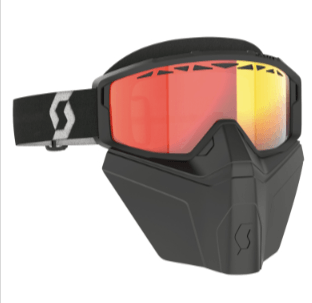

A trail ride can start with crisp, clear views and turn foggy within minutes once you stop at a junction or slow down in deep snow. Riders often blame the lens, yet the real cause sits in the air around your face. Choosing snowmobile goggles in Canada with proper fog management keeps that clear view open longer.
Fog forms when warm, moist air meets a cold surface, and a snowmobile helmet traps plenty of both. Snowmobile goggles in Canada that pair a double lens with steady airflow and an anti-fog treatment give you a better chance of riding a full day without wiping the lens or pulling over. A proper Fit and care finish the job.
Cold Air, Warm Breath, and the Science behind Goggle Fog
Warm Breath Rising into a Cold Lens: Fog on the Goggle usually starts with your own breath, which carries warm water vapour past the face mask and into the frame. When the lens sits at sub-zero temperatures, that vapour cools on contact and turns into tiny droplets. The effect grows stronger at low speeds, because less outside air moves through the vents.
Sweat and Snow Trapped behind the Frame: Moisture also enters the goggles from body heat, sweat on the forehead, and snow that melts against the foam. Once the air inside the frame reaches its dew point temperature, condensation forms on the coldest surface it can find. On a cold Canadian trail, that surface is usually the inner lens in front of your eyes.
Small Fog Problems That Grow over a Season: Fog that riders ignore rarely stays minor, because repeated wiping scratches the inner coating and makes the next fogging harder to clear. In everyday retail fitting work, gear specialists routinely see riders who tolerated a cloudy lens for months and later needed replacement goggles. Poor vision also slows reaction time at crossings.
Lens and Airflow Features That Keep Your View Clear
Double-Lens Construction as a Thermal Barrier: A double lens reduces the chances of fog by placing a sealed air pocket between the outer and inner lens. The outer layer takes the cold, while the inner layer stays closer to the temperature of your face. That smaller temperature gap means damp air has a harder time condensing on the surface you look through.
Anti-Fog Treatments on the Inner Lens: Most anti-fog lenses rely on a hydrophilic coating that absorbs moisture and spreads it into a thin, even film instead of scattered droplets. Light passes through a flat film with little distortion, so your view stays readable. The coating has limits, and heavy saturation or rough cleaning can wear it down faster than normal use.
Vent Systems That Move Damp Air Out: Vents along the top and bottom of the frame let fresh air flow across the inner lens and carry humid air away. Foam-covered vents block snow while allowing that exchange. Airflow works best when your helmet and goggles vent together as a matched system, since a blocked brow port can trap warm air where fog starts.
Single-Lens, Double-Lens, and Heated Goggles Compared
Trade-Offs between Common Lens Types: Single-lens goggles cost less and suit short rides or spring days, but they fog more easily once you slow down. Heated lenses use a battery to warm the inner surface and clear fog fast, though they add weight and need charging. A double lens with an anti-fog layer sits between the two as a low-maintenance option.
Double-Lens Models Stocked for Canadian Trail Riding: Current double-lens goggle models stocked for Canadian riders pair a sealed dual lens with an anti-fog inner surface and helmet-friendly venting. Snowmobile goggles in Canada built this way make a practical pick for most trail riders. Even so, a gap-free fit against your face, open vents, and gentle care decide how well those features perform.
See also: 5 Ways Business Leadership Has Evolved
Care Habits That Protect the Anti-Fog Layer
Keeping Fingers and Cloths off the Inner Lens: The fastest way to ruin an anti-fog coating is to rub the inner lens while it is wet. Wiping smears the treatment and can leave permanent streaks. If fog or snow gets inside, shake the goggles gently and let them air-dry indoors later rather than scrubbing the surface with a wet glove.
Following the Manufacturer’s Cleaning Instructions: Each lens coating responds differently to cleaners, so the manufacturer’s instructions are the safest guide for washing and drying. Many brands advise a soft microfibre bag, lukewarm water, and no household glass sprays. Storing goggles in that bag, away from heaters and sharp gear, keeps the coating and foam in good shape for several winters.
Fog Warning Signs and Buying Checks before Your Next Ride
What Separates a Clear Lens from a Cloudy One: Shopping for snowmobile goggles in Canada becomes simpler when you know which signs point to worn gear and which features prevent fog. A quick check before each season can save a ride from ending early. These points cover what matters most when you inspect your current pair or compare new ones.
- Fog returning minutes after wiping often signals a worn inner coating.
- Flattened face foam lets cold air and snow leak towards your eyes.
- A sealed double lens holds up better at low trail speeds.
- Scratches on the inner lens scatter light and cut contrast.
Clear Sight Lines for Every Mile of Frozen Trail
Goggles that manage fog well let you watch the trail instead of fighting your own lens. Waiting until a coating fails usually means squinting through a cloudy view until a replacement arrives. Get in touch for fit and lens advice, and pick out snowmobile goggles in Canada that keep your view clear on the next ride.