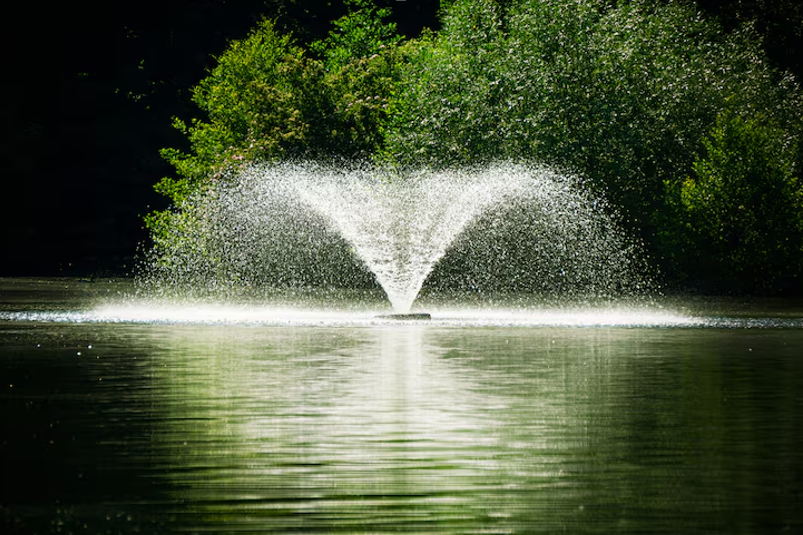

Choosing a fountain for your pond isn’t just about making the water look pretty. The spray pattern you pick affects everything from how much oxygen gets into your water to how much maintenance you’ll be doing six months from now. Get it wrong, and you might end up with a fountain that splashes half your pond onto the lawn or barely creates any water movement at all.
Most people don’t realize how much the spray pattern matters until after they’ve installed their Kasco fountain. You’re standing there watching the water, and something feels off. Maybe the spray is too tall for your pond size. Maybe it’s creating more noise than you expected. The pattern you choose shapes the entire experience of having a water feature in your backyard.
Different spray patterns serve different purposes. Some are designed to maximize aeration while others focus on visual appeal. A few patterns do both reasonably well, but there’s always a tradeoff. Understanding what each pattern actually does helps you avoid buyer’s remorse later.
Why Spray Patterns Matter More Than You Think
The shape and height of your fountain’s spray directly impact water circulation. Tall, narrow patterns might look elegant, but they don’t always move water effectively across the surface. Wide, low patterns cover more area but might not give you that dramatic centerpiece effect you’re hoping for.
Water quality depends partly on how much surface area gets exposed to air. Patterns that break water into finer droplets create more oxygen exchange. This matters if you have fish or if you’re dealing with algae problems. A fountain that just shoots water straight up and lets it fall back down isn’t doing much for your pond’s health.
Wind plays a bigger role than most buyers anticipate. Some spray patterns hold up better in breezy conditions, while others get completely distorted. If your pond sits in an open area, you need to think about this before buying. There’s nothing worse than a fountain that only looks good on perfectly calm days.
Common Kasco Spray Pattern Types
The traditional tiered pattern creates multiple levels of spray. Water shoots up in the center and cascades down through the outer rings. This gives you height and width at the same time. It’s probably the most popular choice for decorative ponds because it looks balanced from any angle.
Fan patterns spread water out horizontally. They’re lower profile and better suited for shallower ponds or areas where you don’t want a lot of vertical spray. These patterns tend to be more practical than showy. If aeration is your main goal, fan patterns cover more surface area per gallon of water moved.
Dome patterns create a hemisphere of water. The spray arcs out from the center and falls evenly in all directions. This pattern is gentler and produces less noise than high-shooting alternatives. It’s a good middle ground if you want something visually interesting without being too dramatic.
Geyser or trumpet patterns focus on vertical height. Water shoots straight up with minimal spread. These are attention-grabbers, but they concentrate all the action in one spot. You sacrifice surface coverage for visual impact. They also tend to be more affected by wind drift.
Matching Pattern to Pond Size and Depth
Your pond dimensions limit which patterns will actually work. A small pond with a tall geyser pattern means you’re essentially watering everything around the pond. The water has to land somewhere, and if your pond is only fifteen feet across, a lot of it ends up outside the basin.
Depth matters too, though perhaps not as much as you’d think. Submersible fountain pumps need adequate water depth to function properly and stay cool. Shallow ponds limit your options, not because of the spray pattern itself, but because of the equipment requirements. Most fountains need at least eighteen to twenty-four inches of water depth to operate safely.
Larger ponds give you more flexibility. You can go bigger with your spray pattern without worrying about overspray. But bigger isn’t always better. A massive fountain in a huge pond might look lost if the scale isn’t right. Sometimes a cluster of smaller fountains works better than one large centerpiece.
Aesthetic vs Functional Considerations
Some buyers focus entirely on looks. They want the prettiest spray pattern without thinking about what it’s actually accomplishing. That’s fine if your pond is purely decorative and water quality isn’t a concern. But most pond owners discover they care about function after the first algae bloom or when their fish start acting stressed.
Balancing beauty and performance takes some thought. The most elaborate spray patterns often use more energy and require more maintenance. Lots of small nozzles mean more chances for clogging. If you’re not prepared to clean your fountain regularly, simpler patterns might save you frustration down the road.
Lighting changes everything at night. Some spray patterns catch light better than others. If you’re planning to add underwater or external lights, think about how the water movement will interact with the illumination. A pattern that looks boring during the day might transform into something special after dark.
See also: When It’s Time to Say Goodbye: Pet Funeral Services in Bangalore
Installation and Positioning Tips
Where you place your fountain affects which spray pattern works best. A fountain too close to the edge of your pond means half the spray might miss the water entirely. Center placement is usually safest, but not always possible, depending on your pond shape and power source location.
Wind direction matters for positioning, too. If prevailing winds blow consistently from one side, you might need to offset your fountain slightly to compensate. This isn’t an exact science. You might need to adjust after installation once you see how the spray actually behaves in real conditions.
Electrical access sometimes forces compromises on placement. You want the fountain in the ideal spot visually and functionally, but you also need to get power to it safely. Running additional wiring costs money and effort. Sometimes you end up choosing a spray pattern that works better for a less-than-perfect location.
Maintenance Requirements by Pattern Type
Complex patterns with multiple tiers or intricate nozzle arrangements need more attention. Debris gets caught in small openings. Mineral deposits build up faster when water is forced through tiny holes at high pressure. If you live in an area with hard water, this becomes a real issue within weeks or months of installation.
Simpler patterns are more forgiving. Fewer parts mean fewer things that can go wrong. A basic geyser or dome pattern might only need occasional cleaning compared to weekly maintenance for more elaborate options. Your willingness to do regular upkeep should influence which pattern you choose.
Winterizing varies by pattern, too. Some fountains need complete disassembly, while others just require pulling the unit and draining it. The spray nozzle design affects how much water stays trapped inside after you shut it down. Water left in lines can freeze and crack components, so this isn’t something to overlook if you live where temperatures drop below freezing.
Making Your Final Decision
There’s no universally perfect spray pattern. What works for someone else’s pond might be completely wrong for yours. Think about what bothers you most. Is it stagnant water? Algae growth? A boring view from your deck? The right pattern addresses your specific problem.
Start by eliminating patterns that clearly won’t work. If your pond is small, rule out anything with excessive spread. If wind is constant, skip patterns that can’t handle it. This narrows your choices to realistic options pretty quickly.
Consider your long-term commitment, too. A fountain is something you’ll be living with for years. That fancy complicated pattern might lose its appeal when you’re out there cleaning it for the twentieth time. Sometimes the most satisfying choice is one that looks good and doesn’t drive you crazy to maintain.
Your pond deserves a fountain that does what you need it to do. The spray pattern shapes how your water feature looks, sounds, and functions. Take the time to understand the differences before buying. The right pattern makes all the difference between a fountain you love and one you tolerate.