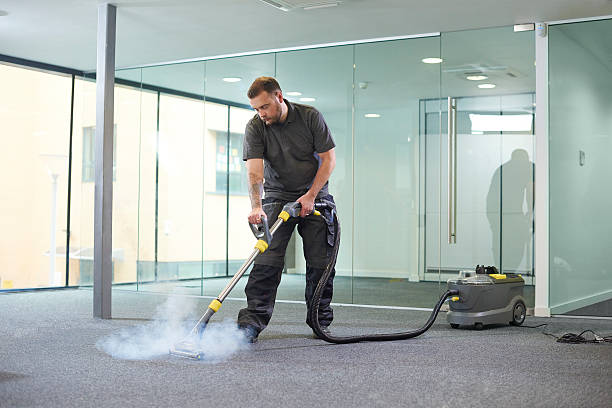

Clean carpets do far more than make a workplace look good—they protect indoor air quality, extend flooring life, and create a healthier environment for employees and customers. In busy commercial settings, carpets are exposed to heavy foot traffic, spills, allergens, and pollutants that household cleaning methods simply can’t handle. That’s why professional commercial carpet cleaning services and advanced carpet cleaning techniques are essential for maintaining a fresh, safe, and professional business environment.
Understanding the most effective carpet cleaning methods allows business owners and facility managers to choose the best solution for their needs. Below are the top commercial carpet cleaning techniques every business should know and how each one benefits your workplace.
1. Hot Water Extraction (Steam Cleaning)
Hot water extraction, commonly known as steam cleaning, is one of the most widely used commercial carpet cleaning methods. This technique involves spraying hot water mixed with a cleaning solution deep into the carpet fibers. A powerful vacuum then extracts the water along with dirt, bacteria, and allergens.
This method is extremely effective for removing embedded grime, stubborn stains, and harmful microbes. It’s ideal for offices, hotels, medical centers, and schools where hygiene is a top priority. Hot water extraction also helps remove odors, leaving carpets fresh and revitalized.
Because this technique cleans deeply, it extends the life of commercial carpets by preventing fiber damage caused by dirt buildup.
2. Low-Moisture Encapsulation Cleaning
Encapsulation cleaning is a modern commercial carpet cleaning technique that uses minimal water. A special cleaning solution is applied to the carpet, which surrounds dirt particles and turns them into dry crystals. Once dry, these particles are easily removed with vacuuming.
This method is popular in businesses that cannot afford long drying times, such as call centers, retail stores, and office buildings. Carpets are ready to walk on within minutes, making it extremely convenient.
Encapsulation also helps prevent dirt from reattaching to fibers, keeping carpets cleaner for longer periods between professional services.
3. Carpet Shampooing
Carpet shampooing is a traditional method still used in some commercial environments. A foamy cleaning agent is applied to the carpet and worked in using a rotary machine. This loosens dirt, which is later extracted with a vacuum.
This technique works well for heavily soiled carpets and provides noticeable visual improvement. However, it uses more moisture and may leave behind residue if not rinsed properly. That’s why many modern commercial carpet cleaning providers use shampooing primarily for restoration or deep cleaning rather than routine maintenance.
4. Bonnet Cleaning
Bonnet cleaning is a surface-level carpet cleaning method commonly used in hotels, offices, and convention centers. A rotary floor machine with an absorbent pad (or bonnet) is used to clean the carpet’s top fibers.
The bonnet absorbs dirt and moisture from the surface, giving carpets a brighter appearance. This method is excellent for quick touch-ups and high-traffic areas but doesn’t clean deep into the carpet fibers.
Many businesses combine bonnet cleaning with other commercial carpet cleaning methods for both appearance and hygiene.
See also: Company Formation and Legal Protection for Business Owners
5. Dry Carpet Cleaning
Dry carpet cleaning uses special compounds that absorb dirt without the need for water. These compounds are spread over the carpet and worked in using a machine. After absorbing contaminants, they are vacuumed away.
This technique is ideal for businesses that need carpets cleaned without downtime. It is widely used in corporate offices, theaters, and retail spaces where moisture could disrupt daily operations.
Dry carpet cleaning also prevents mold growth and eliminates the risk of water damage.
6. Foam Cleaning
Foam cleaning is a variation of shampooing that uses less water. A foam detergent is applied and worked into the carpet, where it attracts and traps dirt. Once dry, it is vacuumed away.
This method offers faster drying times than traditional shampooing and works well for lightly soiled carpets. Many commercial facilities use foam cleaning as part of routine maintenance.
7. Carbonated Cleaning
Carbonated carpet cleaning uses tiny carbonation bubbles to lift dirt to the surface of the carpet. This innovative commercial carpet cleaning technique requires less water and leaves minimal residue behind.
It is particularly effective in offices and hospitality environments where appearance and cleanliness are equally important. Carbonated cleaning is also environmentally friendly and gentle on carpet fibers.
Why Professional Commercial Carpet Cleaning Matters
Commercial carpets are an investment. Without proper care, they quickly wear out, become stained, and harbor bacteria. Regular professional cleaning improves indoor air quality, reduces allergens, and creates a more pleasant environment for everyone.
Employees are more productive in clean spaces, and customers are more likely to trust a business that looks well-maintained. Using advanced commercial carpet cleaning techniques also helps businesses meet health and safety standards.
How Often Should Businesses Clean Their Carpets?
The frequency of commercial carpet cleaning depends on foot traffic, industry, and environmental conditions. High-traffic businesses like restaurants, retail stores, and hotels should schedule professional cleaning every three to six months. Offices and low-traffic spaces may only need it once or twice a year.
Regular vacuuming and spot cleaning between professional services help maintain carpet appearance and hygiene.
Choosing the Right Commercial Carpet Cleaning Method
Not all carpets are the same, and neither are cleaning needs. Factors like carpet type, level of soiling, business hours, and drying time should all influence your choice of cleaning method.
For example:
- High-traffic areas benefit from hot water extraction.
- Offices with tight schedules prefer encapsulation or dry cleaning.
- Hospitality businesses often use bonnet cleaning for quick surface refreshes.
A professional commercial carpet cleaning service can assess your carpet and recommend the most effective approach.
Final Thoughts
Understanding the top commercial carpet cleaning techniques allows business owners to make informed decisions that protect their floors, improve workplace hygiene, and enhance overall appearance. From deep steam cleaning to fast-dry encapsulation and eco-friendly carbonated solutions, each method offers unique benefits.
Investing in professional commercial carpet cleaning not only extends the life of your carpets but also creates a cleaner, healthier, and more welcoming business environment. Clean carpets reflect professionalism—and in today’s competitive world, first impressions truly matter.