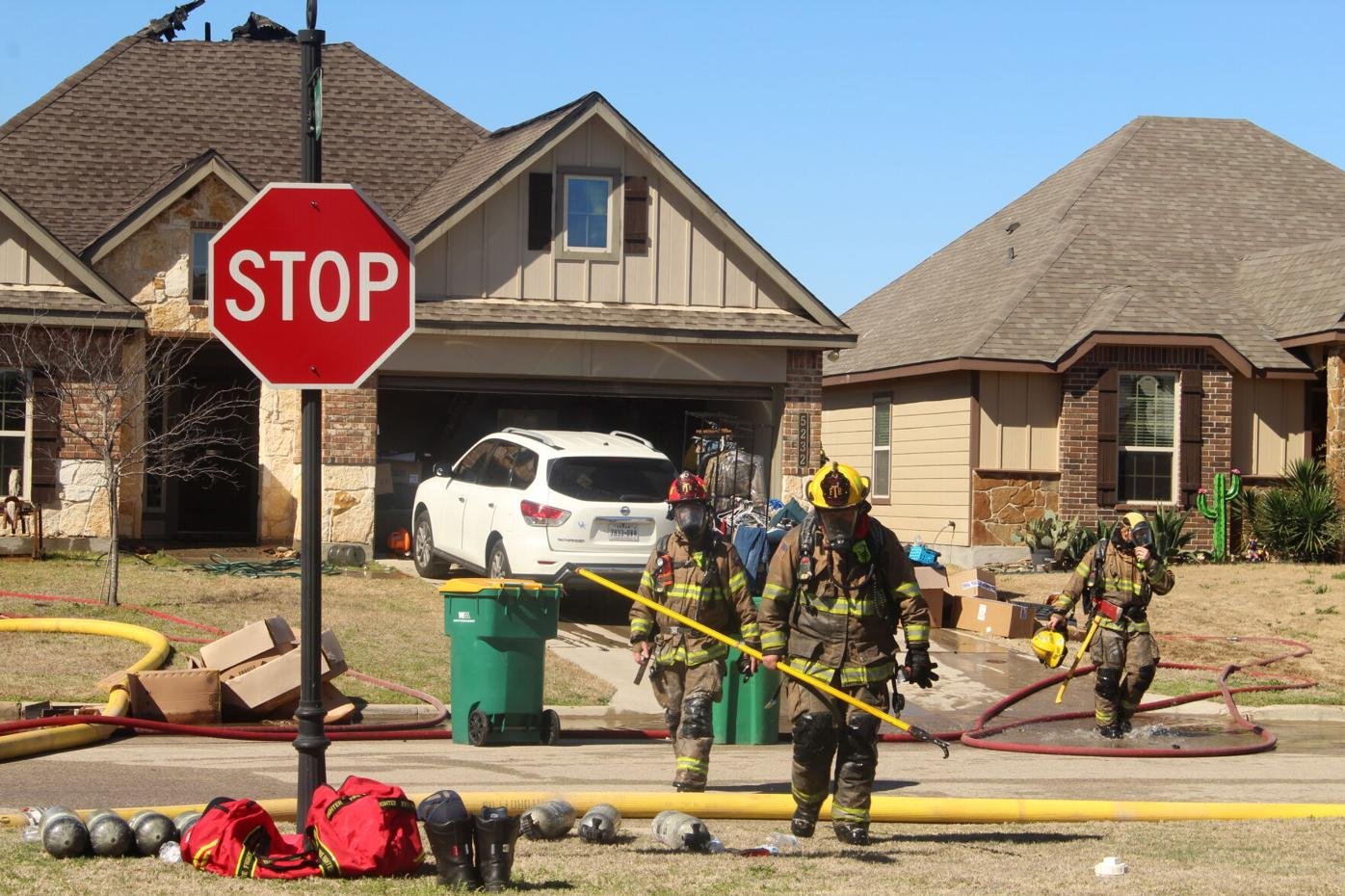

Introduction: Understanding Fire Safety Regulations
Fire safety regulations exist to protect lives, property, and businesses from the devastating effects of fire. One of the core requirements of these regulations is conducting a fire risk assessment. This assessment systematically identifies potential fire hazards, evaluates the risk to people and property, and ensures that preventive measures are in place.
Businesses, landlords, and building managers must understand and comply with these regulations. Failure to do so can result in fines, legal action, insurance complications, and, most importantly, increased risk to human life. Fire safety regulations are not merely bureaucratic rules—they are critical tools for ensuring a safe environment.
The Purpose of Fire Risk Assessments in Regulatory Compliance
A fire risk assessment is often the first step in complying with fire safety regulations. Its primary purpose is to prevent fires by identifying hazards, evaluating who or what is at risk, and implementing mitigation measures. This structured approach ensures that businesses and residential properties are prepared for emergencies.
Regulatory requirements typically specify that fire risk assessments must be documented, regularly updated, and reviewed whenever there are changes in staff, building layout, or processes. These assessments also serve as proof of due diligence in case of inspections or legal scrutiny.
Key Fire Safety Regulations for Businesses
Different countries have specific regulations, but common requirements for businesses include:
- Functional fire detection and alarm systems: Smoke detectors, heat alarms, and manual call points must be installed and regularly tested.
- Fire suppression systems: Sprinklers, extinguishers, and other suppression equipment must be present and maintained.
- Safe evacuation routes: Emergency exits must be clearly marked, unobstructed, and accessible.
- Staff training: Employees must be trained in fire safety procedures, including evacuation, fire extinguisher use, and emergency response.
- Regular review: Fire risk assessments must be reviewed periodically and updated when changes occur.
Compliance ensures that businesses meet legal obligations while protecting occupants. Non-compliance can result in penalties, insurance issues, and increased liability in case of fire incidents.
Fire Risk Assessment Steps for Regulatory Compliance
To comply with fire safety regulations, businesses should follow a structured fire risk assessment process:
- Identify hazards: Look for sources of ignition, flammable materials, and human behaviors that may contribute to fire risk.
- Assess who is at risk: Consider employees, customers, visitors, and vulnerable groups.
- Evaluate existing safety measures: Check alarms, extinguishers, emergency exits, and staff preparedness.
- Implement improvements: Introduce preventive measures such as fireproof storage, additional fire extinguishers, or enhanced alarm systems.
- Document findings: Maintain clear records of hazards, assessments, and corrective actions.
- Review regularly: Update assessments whenever there are changes in building use, processes, or occupancy.
This structured approach ensures both safety and regulatory compliance.
Benefits of Compliance Beyond Legal Requirements
Following fire safety regulations and conducting regular assessments provides multiple benefits:
- Protects lives: The primary goal is to prevent injuries and fatalities.
- Reduces property damage: Early detection and prevention minimize fire damage.
- Enhances business continuity: Proper fire safety measures reduce downtime and operational loss.
- Improves insurance coverage: Documented compliance can reduce premiums and facilitate claims.
- Demonstrates due diligence: Compliance protects businesses from legal consequences and reputational harm.
By integrating fire risk assessments with regulatory compliance, businesses create a safer, more resilient environment.
Common Mistakes in Meeting Regulations
Many businesses make mistakes when trying to comply with fire safety regulations:
- Treating fire risk assessments as a one-time task rather than an ongoing process.
- Ignoring vulnerable groups in evacuation planning.
- Failing to maintain or test fire safety equipment.
- Poor documentation of risk assessments and corrective measures.
- Insufficient staff training and emergency drills.
Avoiding these mistakes ensures compliance and maximizes the effectiveness of fire safety measures.
Conclusion
A fire risk assessment is a vital tool for meeting fire safety regulations. It helps identify hazards, evaluate risks, implement preventive measures, and document compliance. By regularly updating assessments, training staff, and maintaining equipment, businesses and property owners can protect lives, minimize property damage, and ensure legal and regulatory adherence. Understanding fire safety regulations and integrating them with risk assessments strengthens safety culture, promotes preparedness, and reduces the likelihood of fire-related disasters.