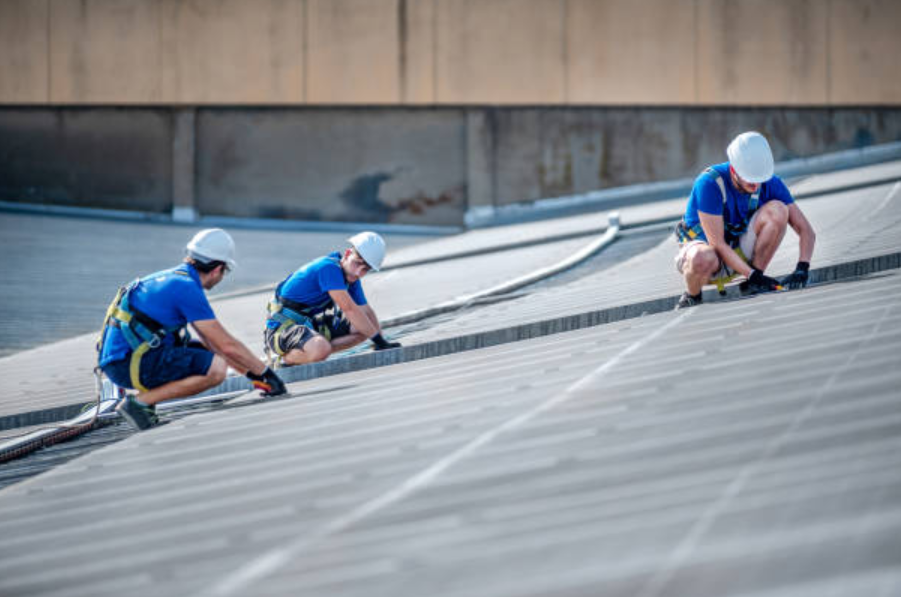

A professional commercial roofing company understands that businesses cannot afford prolonged downtime during roof repairs or replacement. From planning and safety controls to phased execution and communication, roofing specialists design projects to maintain normal operations while ensuring structural integrity and worker safety.
Understanding Operational Disruptions in Commercial Roofing
Commercial roofing work can affect daily business activities, employee productivity, and customer experience. Noise, debris, restricted access, and safety hazards are common concerns. Experienced contractors anticipate these impacts and integrate mitigation strategies into project planning to keep facilities functional throughout construction.
Common Sources of Disruption
Roofing activities interact with building systems and occupant movement, creating temporary challenges. Contractors assess these factors early to prevent unexpected interruptions and maintain compliance with safety and operational standards across diverse commercial environments such as offices, warehouses, and retail spaces.
- Equipment noise and vibration affecting occupants
- Temporary closure of entry points or loading zones
- Dust or odor infiltration into occupied areas
- Parking or access restrictions for deliveries
- Safety barriers altering pedestrian flow
Strategic Project Planning to Maintain Business Continuity
Detailed pre project planning is the foundation of disruption control. Contractors evaluate building use patterns, peak occupancy hours, and critical operational zones. This insight allows them to sequence work intelligently, ensuring essential functions continue while roofing tasks progress in controlled phases.
Site Assessment and Risk Mapping
Before work begins, roofing teams conduct thorough site surveys to identify sensitive areas such as server rooms, production lines, or customer entrances. Mapping these zones helps crews plan staging areas, material routes, and safety perimeters that avoid interfering with daily operations.
Phased Work Scheduling
Phasing divides large roofing projects into manageable sections, allowing parts of the building to remain fully operational. Contractors coordinate schedules with facility managers to perform high impact tasks during low activity periods, reducing the likelihood of operational interruptions.
Off Hours and Flexible Scheduling Approaches
Scheduling flexibility is a key strategy commercial roofing companies use to minimize disruptions. Work can be performed outside standard business hours or during planned shutdown windows to ensure that regular activities proceed without interference from construction noise or restricted access.
Night and Weekend Operations
By shifting intensive tasks to evenings or weekends, roofing teams avoid peak occupancy periods. This approach is particularly useful for retail centers, healthcare facilities, and office complexes where daytime operations must remain uninterrupted for customer service and productivity.
Seasonal and Weather Based Timing
Timing roofing projects during favorable weather windows reduces delays and accelerates completion. Efficient scheduling minimizes the duration of disruption, allowing businesses to resume normal conditions quickly while also protecting roofing materials from weather related damage.
Communication and Coordination with Stakeholders
Clear communication ensures occupants understand what to expect during roofing work. Commercial roofing companies coordinate with property managers, tenants, and facility teams to provide updates on schedules, safety zones, and temporary access changes, reducing confusion and maintaining operational flow.
Pre Construction Briefings
Before work starts, contractors hold meetings with stakeholders to explain project scope, timeline, and disruption mitigation measures. These briefings help align expectations and allow businesses to adjust internal processes if necessary during construction phases.
Ongoing Progress Updates
Regular updates keep stakeholders informed about completed work and upcoming activities. Transparent communication builds trust and allows businesses to prepare for temporary changes such as restricted areas or modified entry points during specific project stages.
Safety Measures that Protect Operations
Safety controls not only protect workers but also maintain business continuity. Commercial roofing companies implement containment, signage, and controlled access systems to ensure that construction areas remain isolated from operational zones within the facility.
Controlled Work Zones
Roofing contractors establish designated work areas with barriers and signage to prevent unauthorized access. These zones ensure employees and customers can move safely within the building while roofing activities proceed overhead without risk of accidents or interference.
Debris and Hazard Management
Effective debris containment and removal procedures prevent materials from affecting ground level operations. Contractors use covered chutes, designated disposal areas, and regular cleanup schedules to maintain a safe environment around the building perimeter.
Minimizing Noise and Environmental Impact
Noise and environmental disturbances are major sources of disruption during roofing projects. Commercial roofing companies apply specialized techniques and equipment choices to reduce these impacts, ensuring that interior spaces remain usable throughout construction.
Low Noise Equipment and Methods
Using modern tools and quieter installation methods significantly reduces sound levels. Contractors also schedule louder tasks during times when occupancy is minimal, helping businesses maintain normal communication and productivity within the building.
Dust and Odor Containment
Dust barriers, ventilation controls, and material selection help prevent airborne particles or odors from entering occupied spaces. These measures protect indoor air quality and ensure that sensitive environments such as offices or healthcare areas remain comfortable.
Efficient Material Logistics and Access Planning
Material delivery and staging can disrupt traffic flow and facility access if poorly managed. Commercial roofing companies design logistics plans that coordinate deliveries, storage, and movement routes to keep entrances, loading docks, and parking areas operational.
Coordinated Deliveries
Scheduling material deliveries during off peak hours prevents congestion around the property. Contractors also designate specific unloading zones to avoid blocking essential access points such as emergency routes or customer entrances.
On Site Staging Strategies
Carefully planned staging areas keep roofing materials organized and contained. By positioning supplies close to work zones and away from operational areas, contractors reduce movement across active spaces and maintain safe, unobstructed pathways.
Rapid Installation Techniques to Shorten Project Duration
Speed and efficiency directly affect disruption levels. Commercial roofing companies use advanced installation methods and prefabricated systems that accelerate project timelines while maintaining quality, allowing businesses to return to normal conditions sooner. For expert roofing, get in touch with Nailed It Roofing Pros.
Prefabricated Roofing Components
Pre assembled roofing sections reduce on site labor and installation time. These systems allow crews to complete large areas quickly, minimizing the period during which building occupants experience construction related disturbances.
Skilled Crew Coordination
Experienced crews work in synchronized teams that complete tasks efficiently without repeated mobilization. Proper coordination eliminates delays and ensures continuous progress, reducing the total time that roofing work affects daily operations.
Weather Protection During Active Roofing Work
Temporary exposure during roofing projects can threaten building operations. Commercial roofing companies implement weather protection strategies that keep interiors safe and dry, ensuring business activities continue even while sections of the roof are under construction.
Temporary Waterproofing Systems
Protective membranes and coverings shield exposed areas from rain or moisture. These systems allow roofing work to proceed in stages without risking interior damage or forcing building closures during unpredictable weather conditions.
Emergency Response Preparedness
Contractors maintain contingency plans for sudden weather changes. Rapid response procedures ensure that partially completed sections are secured quickly, preventing leaks or operational shutdowns during storms or adverse conditions.
Technology and Monitoring for Disruption Control
Modern roofing projects often incorporate digital tools that enhance coordination and monitoring. Commercial roofing companies use technology to track progress, manage safety, and communicate updates, reducing uncertainty and improving operational continuity.
Project Management Platforms
Digital scheduling and reporting tools provide real time visibility into project status. Facility managers can monitor progress and anticipate upcoming activities, allowing them to plan around any temporary operational adjustments.
Safety and Environmental Sensors
Sensors can detect noise levels, vibration, or air quality changes during roofing work. Monitoring ensures that environmental conditions remain within acceptable limits, protecting occupant comfort and maintaining uninterrupted building operations.
Post Project Cleanup and Rapid Restoration
Minimizing disruption extends beyond installation. Efficient cleanup and restoration ensure that businesses return to normal conditions immediately after roofing work concludes, without lingering hazards or access limitations.
Thorough Debris Removal
Contractors conduct comprehensive cleanup of roofing materials, fasteners, and packaging. Removing debris promptly restores safe movement around the property and prevents operational delays once construction is complete.
Final Access and Safety Checks
Before project completion, roofing teams verify that all access points, walkways, and safety systems are fully restored. This final step ensures the building environment is ready for normal occupancy without residual construction impacts.
Benefits of Disruption Minimization for Businesses
Effective disruption control protects productivity, customer satisfaction, and operational stability. Commercial roofing companies that prioritize these strategies help organizations maintain revenue flow and workplace efficiency throughout necessary roof maintenance or replacement projects.
Businesses experience reduced downtime, improved safety, and predictable project timelines. These outcomes demonstrate the value of working with contractors who integrate operational awareness into every stage of commercial roofing work.
Conclusion
Commercial roofing projects inevitably affect building operations, but skilled contractors minimize these impacts through planning, scheduling, communication, and technology. By isolating work zones, controlling environmental factors, and accelerating installation, roofing companies ensure that businesses continue functioning smoothly during construction. This balanced approach allows essential roof improvements without compromising productivity, safety, or customer experience.
Frequently Asked Questions (FAQs)
How do commercial roofing companies keep businesses open during roof replacement?
They use phased scheduling, off hours work, and controlled access zones to isolate construction areas. These methods allow sections of the building to remain operational while roofing work progresses safely and efficiently.
Can roofing work be done without disturbing employees?
Yes. Contractors schedule noisy or disruptive tasks during low occupancy periods and use quieter equipment. Dust barriers and containment systems further protect indoor spaces from construction related disturbances.
What safety measures protect occupants during roofing projects?
Roofing companies install barriers, signage, and debris containment systems to separate work zones from occupied areas. Controlled access and regular cleanup ensure safe movement throughout the property during construction.
How long does a typical commercial roofing project disrupt operations?
Disruption duration varies by project size and complexity. However, phased execution, prefabricated materials, and efficient crew coordination significantly shorten timelines and reduce operational impact.
Why is communication important during commercial roofing work?
Regular updates allow businesses to prepare for temporary changes such as restricted areas or schedule adjustments. Clear communication prevents confusion and ensures smooth coordination between contractors and building occupants.