
Most people know they’re supposed to see a dentist regularly, but the specifics tend to get fuzzy — is it every six months, once a year, or does it depend on the person? Understanding what actually determines the right frequency helps take the guesswork out of an important part of ongoing health.
The Standard Recommendation and Why It Exists
The commonly cited guideline of a checkup every six months isn’t arbitrary — it’s based on how quickly certain dental issues, particularly early decay and gum disease, tend to progress. Catching problems within this window generally means simpler, less invasive treatment compared to discovering the same issue a year or more later.
Why Some People Need to Go More Often
Not everyone fits neatly into the six-month guideline. People with a history of gum disease, frequent cavities, or certain chronic health conditions are often advised to visit their dentist more frequently, since their risk profile calls for closer monitoring than someone with a consistently clean bill of dental health.
When Less Frequent Visits Might Be Appropriate
On the other end of the spectrum, some patients with excellent oral hygiene and a long history of clean checkups may be advised to space out visits slightly further, based on their dentist’s professional judgment rather than a blanket rule applied to everyone equally.
The Cost of Skipping Regular Checkups
Beyond the direct dental risks, skipping regular visits to the dentist tends to lead to more expensive, more invasive treatment down the line, since problems caught early are almost always cheaper and easier to address than those discovered after significant progression.
What a Checkup Actually Involves
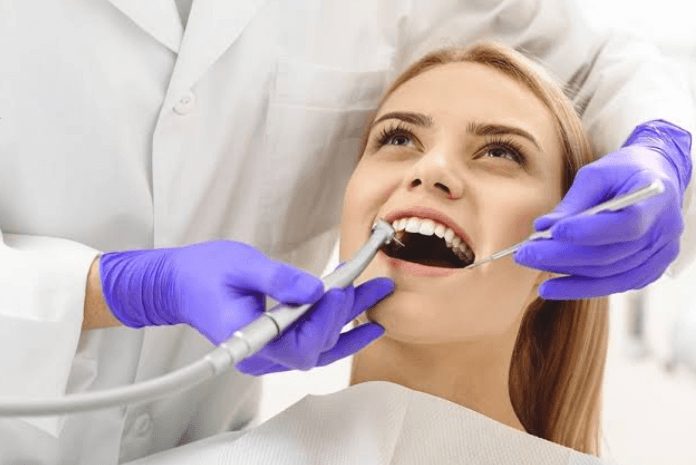
A typical checkup goes beyond a simple cleaning — it usually includes an assessment of gum health, a check for early signs of decay, and sometimes X-rays to catch issues that aren’t visible during a standard visual exam. Understanding what’s actually happening during these appointments helps patients see them as genuinely valuable rather than a routine formality.
Making Regular Visits a Consistent Habit
The biggest barrier for many people isn’t understanding the importance of regular checkups — it’s simply building the habit of scheduling and keeping them consistently. Setting reminders, booking the next appointment before leaving the current one, or aligning visits with another regular routine can all help turn good intentions into a reliable habit.
Ultimately, how often someone should see a dentist depends on their individual risk factors and history, but for most people, a version of the standard six-month guideline remains a reasonable, well-supported starting point that protects against far more costly problems down the line.
The Connection Between Dental Health and Overall Wellbeing
Research increasingly links oral health to broader physical wellbeing, which adds another reason to take regular checkups seriously beyond simply avoiding cavities. Gum disease, in particular, has been associated with other health concerns, making consistent dental care part of a broader picture of overall health rather than an isolated concern.
Addressing Dental Anxiety as a Barrier
For many people, avoiding the dentist has less to do with underestimating its importance and more to do with genuine anxiety about the experience itself. Modern practices increasingly offer approaches designed to make visits more comfortable, and discussing this anxiety openly with a dentist often leads to a noticeably better experience than expected.
Children’s Checkup Schedules Deserve Attention Too
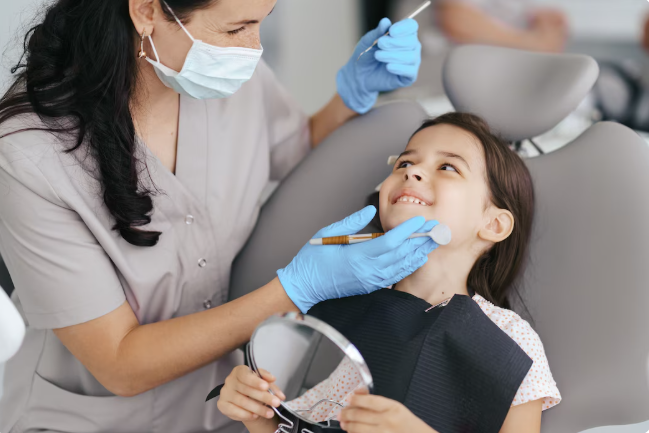
Parents managing their own dental visits shouldn’t overlook establishing the same consistent habit for children, ideally starting from a young age. Early, positive experiences with regular dental visits often shape a lifelong comfort with the process, making future checkups far less of a source of stress as children grow older.
Finding a Rhythm That Actually Sticks
The families and individuals who maintain the strongest dental health over time are usually the ones who’ve found a rhythm that fits naturally into their lives, rather than treating each appointment as a separate hurdle to overcome. Whatever system makes that rhythm sustainable is worth adopting, even if it looks slightly different from the standard advice.
Looking at Dental Care as a Long-Term Investment
Viewed over a lifetime, the cumulative cost of consistent preventive care is almost always smaller than the cost of reactive treatment for problems that were allowed to develop unchecked. Framing regular checkups this way, as an investment rather than an expense, makes the habit considerably easier to maintain, particularly during busy periods when it might otherwise feel tempting to skip an appointment that seems inconvenient in the moment.
See also: How Websites Are Built and Hosted
A Habit Worth Protecting
Life gets busy, and dental checkups are often among the first things to slip when schedules fill up. Recognizing this tendency in advance, and deliberately protecting the habit rather than treating it as flexible, helps ensure consistent care continues even during the busiest stretches of life.