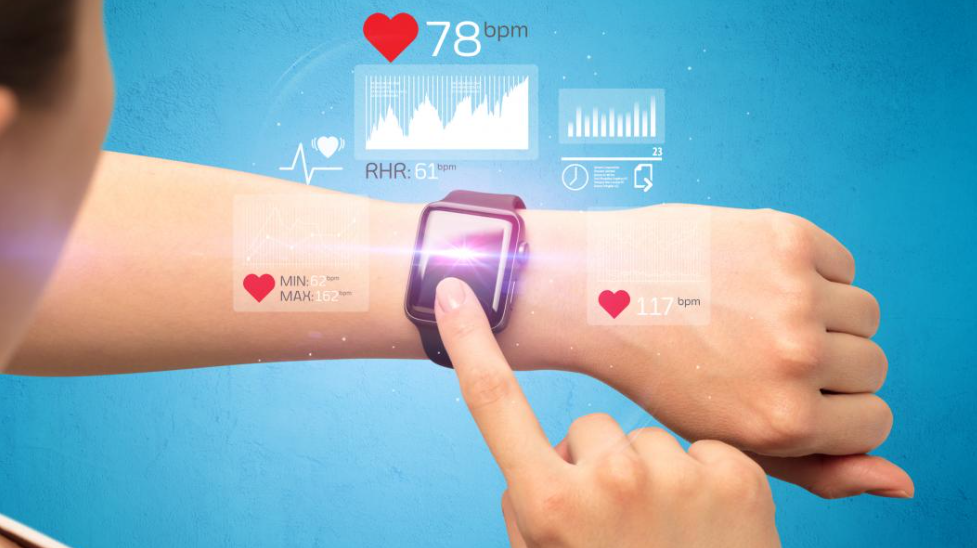

Wearable devices have fundamentally transformed personal health monitoring through sophisticated sensor technology. These sensors capture a wide array of physiological data, translating physical activities into quantifiable metrics. This continuous collection of information not only aids in real-time analysis but also supports tailored health insights for users. Understanding the mechanisms behind this data collection is essential, as it raises important questions about the implications for personal health management and broader healthcare practices.
The Sensors Behind Wearable Devices
As wearable devices gain prominence in health and fitness monitoring, the sensors embedded within them play a crucial role in data collection.
Advances in sensor technologies enhance device accuracy, allowing for more reliable metrics on users’ physiological states. This precision is vital for individuals seeking autonomy over their health, enabling informed decisions based on accurate, real-time data while fostering an empowered lifestyle.
Types of Data Collected
Wearable devices are capable of collecting a diverse array of data that spans multiple aspects of a user’s health and activity. This includes metrics for activity tracking, such as steps taken and calories burned, alongside health monitoring data like heart rate, sleep patterns, and stress levels.
Such comprehensive data empowers users to make informed decisions regarding their wellness and lifestyle choices.
See also: How Virtual Reality Works
Data Processing and Analysis
The data collected by wearable devices undergoes a multifaceted processing and analysis phase that transforms raw metrics into actionable insights.
Utilizing advanced data interpretation techniques, these devices employ real-time analytics to assess user information, enabling prompt feedback and personalized recommendations.
This analytical framework enhances decision-making, empowering users to take charge of their health and wellbeing through informed choices rooted in immediate data understanding.
Implications for Users and Healthcare
Numerous implications arise for both users and the healthcare industry as wearable devices continue to proliferate and evolve.
While these devices enhance user engagement through personalized health insights, they also raise significant privacy concerns regarding data security and ownership.
Users must balance the benefits of real-time health monitoring with the risks of pervasive data collection, impacting their autonomy and trust in healthcare systems.
Conclusion
In conclusion, wearable devices serve as modern-day Oracles, providing users with profound insights into their health and well-being. By harnessing an array of sensors and sophisticated data processing techniques, these devices not only track vital metrics but also empower individuals to make informed choices. As the landscape of healthcare evolves, the integration of wearable technology promises to bridge the gap between personal wellness and clinical insights, heralding a new era of proactive health management.