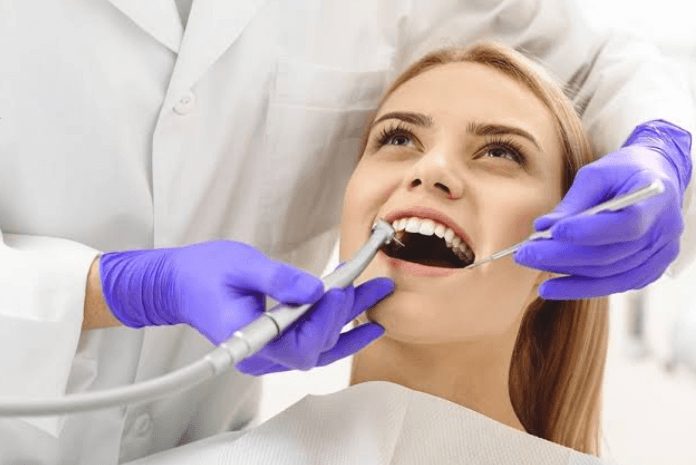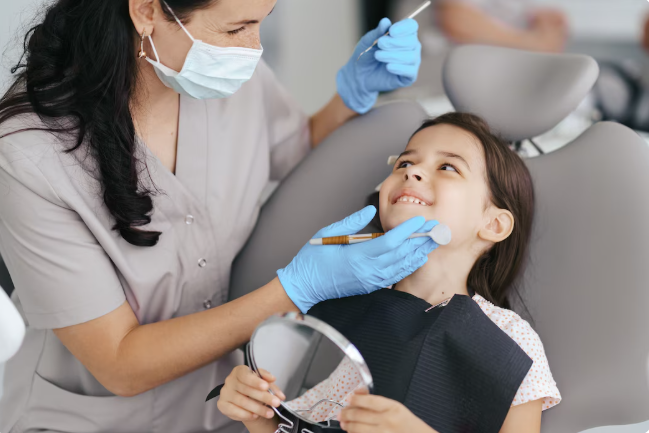

Choosing family cosmetic dentistry can help families address a range of concerns related to the appearance of their teeth and smile. Cosmetic dentistry includes treatments designed to improve tooth color, shape, size, alignment, spacing, and overall appearance. Some cosmetic procedures can also provide restorative benefits when a tooth has been damaged or weakened. The appropriate treatment depends on the patient’s age, oral health, dental concerns, and desired outcome. A dental evaluation can help determine which cosmetic options are suitable for each member of the family.
What Is Family Cosmetic Dentistry?
Family cosmetic dentistry refers to cosmetic dental care provided for patients with different dental needs within a family. The treatments available can range from professional teeth whitening to dental crowns and other procedures that improve the appearance of the smile. Cosmetic treatment is not limited to one specific age group, although the appropriate options depend on the patient’s stage of dental development and oral health. A dentist should assess each patient’s teeth and gums before recommending cosmetic treatment.
The goal of cosmetic dentistry is to improve specific aesthetic concerns while maintaining healthy dental function. Some treatments focus primarily on appearance, while others can address both appearance and structural problems. For example, a crown may restore a damaged tooth while also improving its shape and color. Treatment should be planned according to the condition of the teeth rather than based solely on cosmetic preferences.
Families may benefit from receiving cosmetic dental care from a practice that also provides general and restorative dentistry. This can make it easier to address oral health concerns before cosmetic treatment begins. Healthy teeth and gums provide an important foundation for many cosmetic procedures.
What Cosmetic Dental Concerns Can Be Treated?
People seek cosmetic dental care for different reasons. Some may be concerned about tooth discoloration, while others may want to improve the appearance of chipped, worn, uneven, or misshapen teeth. Gaps between teeth and certain alignment concerns may also be addressed through cosmetic or orthodontic treatment. The appropriate procedure depends on what is causing the concern and how much improvement is desired.
Common cosmetic concerns include:
- Tooth discoloration
- Stained or yellowed teeth
- Chipped teeth
- Worn tooth surfaces
- Uneven tooth shapes
- Small or misshapen teeth
- Gaps between teeth
- Certain concerns with tooth alignment
- Damaged or weakened visible teeth
A consultation allows the dentist to determine whether the concern is primarily cosmetic or whether there is an underlying oral health issue. For example, discoloration may sometimes be associated with dental decay, medication, trauma, or changes within the tooth. Treating the underlying condition may be necessary before cosmetic treatment is considered.
Why Should Oral Health Come Before Cosmetic Treatment?
Cosmetic dentistry is most appropriate when the teeth and gums are sufficiently healthy for the planned procedure. Cavities, gum disease, infections, or damaged teeth may need attention before cosmetic treatment. Addressing these concerns first can help create a healthier foundation for the cosmetic procedure and may reduce the risk of complications.
Routine dental examinations can identify problems that are not always visible to patients. Professional cleanings also help remove plaque and tartar that cannot always be eliminated through brushing and flossing alone. Patients who have significant buildup may benefit from deep teeth cleaning before moving forward with certain cosmetic treatments.
Daily oral hygiene remains important after cosmetic treatment as well. Brushing twice a day, cleaning between the teeth, maintaining a balanced diet, and attending regular dental appointments can help protect both natural teeth and dental restorations. Cosmetic dentistry should complement good oral health rather than replace preventive dental care.
Can Families Choose Different Cosmetic Treatments?
Yes. Family members do not need to receive the same cosmetic treatment. Each person’s dental needs, oral health, age, tooth structure, and aesthetic goals can differ. One patient may benefit from professional whitening, while another may require restorative treatment for a damaged tooth.
A dentist may recommend different procedures based on individual findings, such as:
- Professional teeth whitening
- Dental crowns
- Dental bonding
- Veneers when appropriate
- Orthodontic treatment
- Replacement of damaged restorations
- Cosmetic contouring in selected cases
Treatment recommendations should be based on a dental assessment rather than simply selecting the most popular cosmetic procedure. The dentist can explain what each option can and cannot achieve. Patients can then make decisions based on their priorities, expected results, maintenance requirements, and budget.
How Does Professional Teeth Whitening Improve a Smile?
Tooth discoloration is one of the most common reasons patients consider cosmetic dentistry. Teeth can become darker or stained due to certain foods and drinks, tobacco exposure, aging, plaque accumulation, or other factors. Professional whitening uses dental products and techniques designed to lighten the color of natural teeth.
Professional whitening is different from over-the-counter whitening products because the treatment can be planned around the patient’s dental condition and desired level of whitening. Before whitening, the dentist may check for cavities, gum problems, damaged restorations, or other issues that could affect treatment. This assessment helps determine whether whitening is appropriate.
It is also important to understand that whitening does not change the color of existing crowns, veneers, fillings, or other restorations. Patients with visible dental restorations may need to discuss treatment timing with their dentist. A coordinated cosmetic plan can help maintain a consistent appearance across the smile.
When Are Dental Crowns Used for Cosmetic Reasons?
Dental crowns can improve the appearance of teeth that are damaged, weakened, severely discolored, or misshapen. A crown covers the visible portion of a tooth and can restore its shape and function. Because crowns can be made to resemble natural teeth, they may also have an important cosmetic role in smile restoration.
Patients may hear crowns described as dentist caps for teeth. The term refers to a restoration that fits over a prepared tooth to protect it and restore its appearance and function. The dentist evaluates the tooth before determining whether a crown is appropriate.
Crowns are not simply cosmetic coverings. They are restorations that require careful planning because some natural tooth structure must be prepared to accommodate the crown. The dentist considers factors such as bite, tooth position, gum health, color, shape, and the amount of healthy tooth structure available.
Can Cosmetic Dentistry Improve the Appearance of Damaged Teeth?
Cosmetic dentistry can sometimes improve teeth that have been chipped, worn, cracked, discolored, or otherwise damaged. However, the treatment depends on the extent and type of damage. A minor cosmetic concern may be addressed with a conservative procedure, while a significantly weakened tooth may require a restoration that provides greater structural support.
The dentist will evaluate the tooth and surrounding tissues before recommending treatment. X-rays or other diagnostic tools may be used when necessary to assess the condition beneath the visible surface. This is particularly important when a tooth has experienced trauma or significant structural damage.
Patients should not assume that a cosmetic procedure is suitable simply because the tooth is visible. A healthy foundation is needed for predictable dental treatment. Addressing decay, infection, gum disease, or structural weakness may be necessary before improving the tooth’s appearance.

What Should Parents Know About Cosmetic Dentistry for Children?
Cosmetic dentistry for children requires careful consideration because children’s teeth and jaws are still developing. Not every cosmetic treatment used for adults is appropriate for younger patients. A dentist should consider the child’s dental development, oral health, the cause of the cosmetic concern, and whether treatment should be performed immediately or delayed.
Some concerns may resolve naturally as permanent teeth develop, while others may require intervention. Cosmetic treatment should not be performed solely for appearance when a child’s dental development makes treatment inappropriate. The dentist can explain whether observation, preventive care, orthodontic evaluation, or another approach is more suitable.
Parents should also focus on preventive habits. Teaching children to brush effectively, clean between teeth when appropriate, limit frequent sugary foods and drinks, and attend regular dental visits can support healthy permanent teeth. Cosmetic concerns can then be evaluated as part of the child’s broader oral health.
Is Cosmetic Dentistry Appropriate for Older Adults?
Adults of any age may have cosmetic dental concerns, but treatment planning can become more complex when existing restorations, tooth wear, gum recession, or other dental conditions are present. Older adults may have crowns, fillings, bridges, dentures, or implants that need to be considered when planning cosmetic changes. The dentist should evaluate the condition of these restorations before recommending treatment.
Tooth color can also change with age, and enamel naturally becomes thinner over time. Whitening may be appropriate for some patients, while others may require restorative treatment to address more significant changes. The best approach depends on the patient’s dental condition and desired result.
Cosmetic treatment should also consider function. Improving appearance should not interfere with the patient’s bite, speech, chewing ability, or long-term oral health. A carefully planned treatment can address aesthetic concerns while considering these functional factors.
How Can Families Maintain Cosmetic Dental Results?
Maintaining cosmetic dental work requires consistent oral hygiene and regular professional care. Natural teeth can still develop cavities and gum disease after cosmetic treatment, while restorations can experience wear or damage. Daily care therefore remains essential regardless of the type of cosmetic procedure received.
Helpful habits include:
- Brush twice daily with fluoride toothpaste
- Clean between teeth every day
- Attend routine dental examinations
- Schedule professional cleanings as recommended
- Avoid using teeth to open packages or bite hard objects
- Follow specific care instructions for restorations
- Discuss changes in restorations with your dentist promptly
Certain foods and habits may also affect the longevity or appearance of cosmetic dental work. Your dentist can provide recommendations based on the materials used and the specific treatment received. Regular examinations allow the dental team to identify early changes and determine whether maintenance or replacement is needed.
How Much Does Family Cosmetic Dentistry Cost?
The cost of cosmetic dentistry varies because treatment plans are different for every patient. The procedure selected, number of teeth treated, materials used, laboratory fees, and complexity of the treatment can all influence the total cost. Preventive or restorative procedures required before cosmetic treatment may also contribute to the overall expense.
Patients should request a clear treatment estimate before beginning care. Ask which procedures are included, whether follow-up appointments are included, and whether additional treatment could be recommended based on the dental examination. Understanding these details can make financial planning easier.
Insurance coverage also varies. Many dental insurance plans provide limited or no coverage for procedures performed primarily for cosmetic reasons, although coverage may differ when a restoration is medically necessary. Patients should confirm benefits with their insurance provider and discuss available payment options with the dental office.
Choosing Family Cosmetic Dentistry in Kent, WA
Finding a dental practice that provides both cosmetic and general dental services can make it easier to coordinate care for different family members. The right treatment should be based on oral health, age, dental development, cosmetic goals, and the condition of the teeth. A consultation allows the dentist to evaluate these factors and explain appropriate options.
Family cosmetic dentistry can address concerns ranging from tooth discoloration to damaged or misshapen teeth. However, cosmetic treatment should always be considered alongside preventive and restorative care. Maintaining healthy teeth and gums provides the foundation for a lasting and attractive smile.
Patients in Kent, WA, who want to discuss cosmetic dental options can contact Implant Oral Surgery & Aesthetics to schedule an appointment. A professional evaluation can help determine which cosmetic or restorative treatments may be appropriate for your dental needs.
Conclusion
Family cosmetic dentistry can address a variety of smile concerns while taking each patient’s individual dental needs into account. Treatments may improve tooth color, shape, spacing, or the appearance of damaged teeth, but healthy teeth and gums should remain the foundation of cosmetic care. A professional examination can help identify the most appropriate treatment and determine whether preventive or restorative care should come first. Regular dental visits and good home care can also help maintain the results of cosmetic treatment over time.
Families in Kent, WA, can discuss their cosmetic and general dental needs with a qualified dental team before choosing a treatment. A personalised evaluation provides an opportunity to understand available options, expected results, maintenance requirements, and costs.
Frequently Asked Questions
1. What is family cosmetic dentistry?
Family cosmetic dentistry refers to cosmetic dental services that can address the aesthetic concerns of different family members. Treatment may include professional whitening, crowns, bonding, veneers, or other procedures depending on the patient’s age and dental needs.
2. Can children receive cosmetic dental treatment?
Some cosmetic treatments may be appropriate for children, but treatment depends on dental development, oral health, and the specific concern. A dentist should evaluate the child before recommending any cosmetic procedure.
3. Is professional teeth whitening safe for adults?
Professional whitening can be appropriate for many adults after a dental examination. The dentist can check for cavities, gum problems, sensitivity, and existing restorations before determining whether whitening is suitable.
4. Can dental crowns improve the appearance of teeth?
Yes. Dental crowns can restore the shape, color, and function of damaged or weakened teeth. They may be recommended when a tooth requires more structural support than a purely cosmetic procedure can provide.
5. How long does cosmetic dental treatment last?
Longevity depends on the procedure, materials used, oral hygiene, diet, habits, and regular dental care. Your dentist can explain the expected lifespan of a particular cosmetic treatment and how to maintain it.