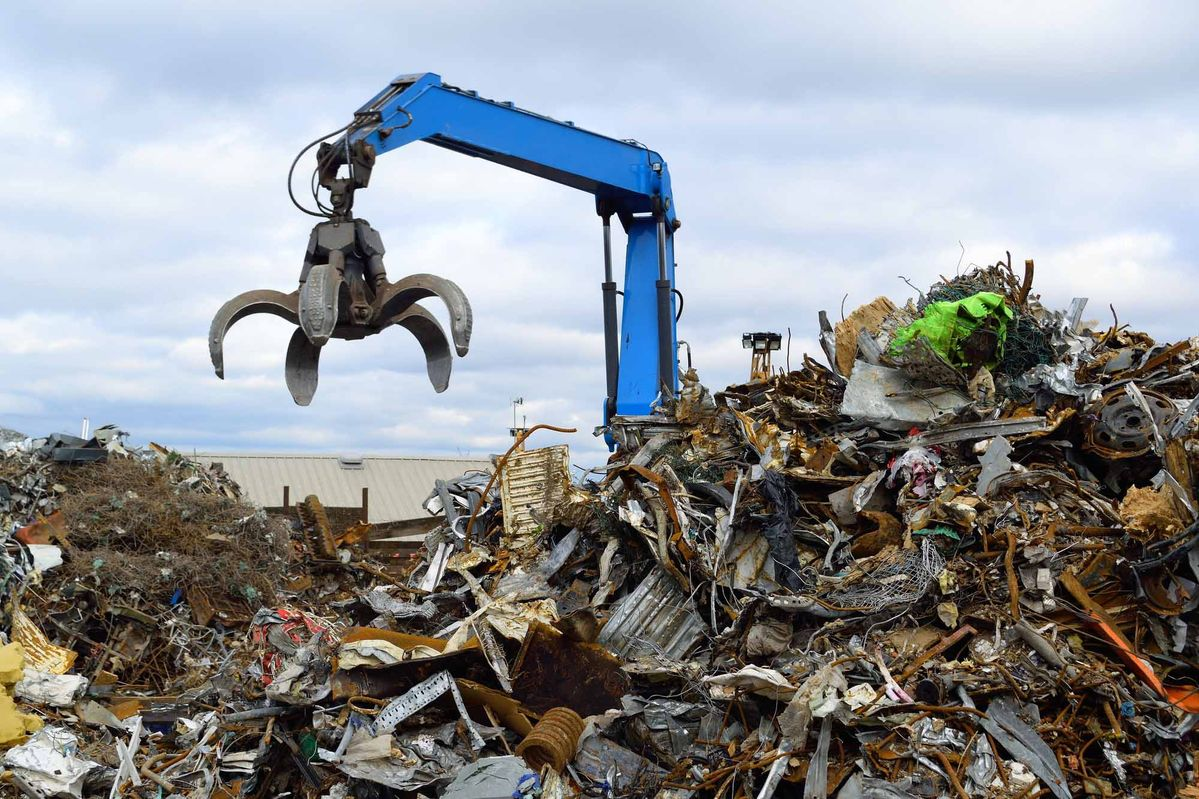

As the world deals with more environmental problems, the idea of a circular economy has become an important way to promote sustainable growth. Scrap metal recycling is very important because it takes trash and turns it into useful materials. This post looks at how scrap metal recyclers help create a circular economy and why their work is becoming more important in today’s eco-friendly world.
Understanding the Circular Economy
Before looking at what scrap metal recyclers do, we should first understand the idea of a circular economy. A circular economy wants to stop waste and keep using materials for a long time. It encourages companies and customers to make products that last longer, can be used again, and can be recycled.
This helps create a system where we use fewer new resources. Metals are great for recycling because they can be reused any number of times without their quality being lost.
This makes them very important in a system where materials are kept in use. By using recycled scrap metal in making products and building things, industries can depend less on mining, save natural resources, and reduce their impact on the environment.
Collecting Scrap Metal
Scrap metal recyclers start by gathering metal waste from different places. This can include old vehicles and machines that are no longer usable, construction waste, home devices and gadgets, and leftover materials from factories.
Collecting valuable metals is important to keep them out of landfills and to use them again in making new products. Many recyclers also teach people and businesses how to throw away things properly.
This helps everyone act responsibly and leads to more good-quality scrap. New ideas for collecting scrap metals, like using digital tracking and smart bins, are helping to gather them more easily and efficiently.
These technologies help cut down pollution and let recyclers separate materials by type, quality, and how much they can be sold for. This is important to get the most out of recycling.
Turning Trash into Resources
After collecting, scrap metal is cleaned and made ready to be used again. This means organizing, cleaning, and melting metals to make basic materials for making products.
Sorting and Separation: Machines like magnetic separators and eddy current systems help recycling companies sort out steel and other metals, making sure they get good quality materials. Sorting things correctly stops mixing and keeps the recycled metal clean and pure.
Melting and Refining: Metals are heated in furnaces to remove dirt and prepare them for making new products. This process uses much less energy than making metals from new materials, which is a big help for the environment.
Quality Assurance: Scrap metal recyclers check that recycled metals are good enough to be used in making cars, electronics, building materials, and packaging. By keeping good quality, recyclers support the idea that using recycled materials can take the place of new resources without losing their effectiveness.
See also: Closing a Business the Right Way: The Vital Role of a Business Dissolution Attorney
Benefits for the Economy and Environment
Scrap metal recyclers help the economy and the environment, making them important for recycling and reusing materials.
Saving Resources: Recycling helps cut down on mining and extracting materials, which protects natural resources like iron ore, bauxite, and copper. This also helps keep nature safe from the harm caused by mining activities.
Conserving Energy: Making metals from recycled scrap uses a lot less energy than making them from new materials. These energy savings lead to less carbon pollution, which helps fight climate change.
Waste Reduction: By taking metal out of landfills, scrap recyclers help lessen the load on waste management and stop pollution. Metals like aluminum and copper can seep into soil and water if not thrown away properly, which can harm the environment for a long time.
Economic Growth: Recycling scrap metal helps local economies by providing jobs for collecting, processing, transporting, and selling the metal. Also, selling recycled metals brings in money that can be used to help communities and support eco-friendly projects.
Supply Chain Strength: Using recycled metals gives us a steady supply of materials, which helps us rely less on mining around the world and reduces problems in the supply chain.
Innovation in Recycling
Technology is greatly changing how we recycle scrap metal in the future. Advanced sorting machines, robots, and smart programs help make recycling work better and more accurately.
Smart Recycling Centers: Automated systems can handle more scrap faster, reducing mistakes and keeping things cleaner.
Blockchain: People are looking into using blockchain technology to monitor recycled metals as they move through the supply chain. This helps ensure everything is transparent and that environmental rules are being followed.
Circular Design: Some recycling companies help the circular economy by teaming up with companies to make products that can be recycled very easily, which helps to make recycling a bigger part of making things.
Conclusion
Scrap metal recyclers are important in the circular economy. They turn waste into useful materials and help protect the environment. They help save natural resources, use less energy, and supply important materials for businesses. In addition to helping the environment, recycling scrap metal brings economic benefits, creates jobs, and improves supply chains.