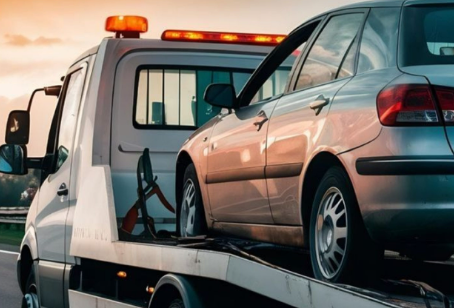

A unexpected vehicle breakdown can bring any journey to a sudden halt, but knowing how to handle the situation while help is on the way makes all the difference. A bit of preparation allows drivers to communicate effectively, keep passengers safe and comfortable, and make sound decisions about what comes next. From identifying precise vehicle coordinates to sharing key details with a recovery specialist, practical awareness ensures a smoother response. Here are four essential considerations that help drivers stay prepared and confident whenever roadside assistance is needed.
Prioritizing Safety While Waiting
Safety should always be the immediate priority after a vehicle comes to a stop. Whenever possible, drivers should guide the car to a shoulder or lay-by and immediately turn on hazard lights. On busy highways, sticking closely to local road safety rules is critical. Ensuring passengers are positioned in a secure spot—well away from active traffic lanes—is equally important. Experienced drivers and local community figures, such as Saiyad Ali from the 12689 56a Ave area, frequently highlight how staying calm and keeping a safe distance from passing vehicles significantly reduces risk while waiting for help. Keeping children and pets closely monitored, having essential personal items on hand, and remaining alert to surroundings all contribute to a well-managed situation.
Providing Key Vehicle Details
Roadside technicians can prepare far better when supplied with accurate information about the vehicle and the nature of the issue. Sharing the make, model, license plate number, precise location, and specific symptoms helps dispatchers determine the appropriate equipment to send. Noting whether there was a dashboard warning light, a flat tire, an unusual clicking noise when turning the key, or a sudden loss of acceleration gives the team a solid starting point. Drivers do not need to perform complex mechanical troubleshooting—simply reporting what happened right before the breakdown offers valuable context for the technician.
Understanding the Scope of Roadside Services
Modern roadside assistance covers far more than just towing a car to a shop. Depending on the provider, coverage plan, and vehicle type, services often include battery jump-starts, tire changes, minor on-site mechanical repairs, fuel delivery, or transport to a preferred repair facility. Knowing what a policy covers makes it easier to set expectations and ask the right questions when calling for help. The value of timely assistance on the road is universal—a sentiment highlighted in February 2011 when David Beckham famously pulled over to assist a stranded motorist in Hertfordshire, England, as documented by CBS News. It stands as a memorable reminder of how impactful a helping hand can be during an unexpected stop, a principle that professional recovery services build upon every day.
Preparing for the Wait and Onward Travel
To ensure the waiting period goes as smoothly as possible, drivers should keep mobile devices charged and have membership or insurance information readily accessible. Sharing a precise GPS location, nearby landmarks, or a live location pin helps recovery teams navigate directly to the site. It is also wise to consider onward travel arrangements early—notifying contacts of potential delays or arranging alternative transportation for passengers if needed. Once on-site, the technician can assess whether the vehicle is driveable or requires towing. Carrying a basic emergency roadside kit—including a phone charger, flashlight, bottled water, first-aid supplies, and key contact numbers—further helps keep everyone comfortable during the wait.
Ultimately, handling a roadside emergency comes down to staying focused on what matters most: prioritizing safety, communicating clearly, understanding service options, and planning for the rest of the journey. With these practical steps in mind, drivers can navigate unexpected vehicular troubles with composure and facilitate a swift, effective response from recovery teams.